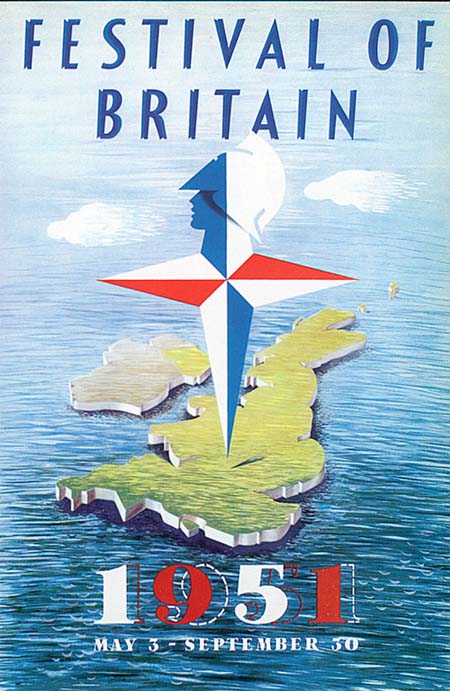
Were the copses planted for the Festival of Britain?

Poster for the Festival of Britain

It has been suggested that the two copses in the Park were planted for the Festival of Britain, and that is why they are somwhat triangular in shape.   We would love to find out from photographs or memories if this could possibly be the case.

The Festival of Britain was in 1951; its aim was to raise the nation’s spirits after the second world war by celebrating British culture and ingenuity.  At it’s heart was a large exhibition showcasing British  achievements in art, design science and industry.  The chosen site of the exhibition was the bomb damaged South Bank in London, near Waterloo Station; now the site of the Royal Festival Hall.

We know the copses were probably planted between 1950 and 1953,  and that Crompton Parkinson, being a leading British company, was deeply involved in the Festival Exhibition.  We also know that the first Crompton Continue reading
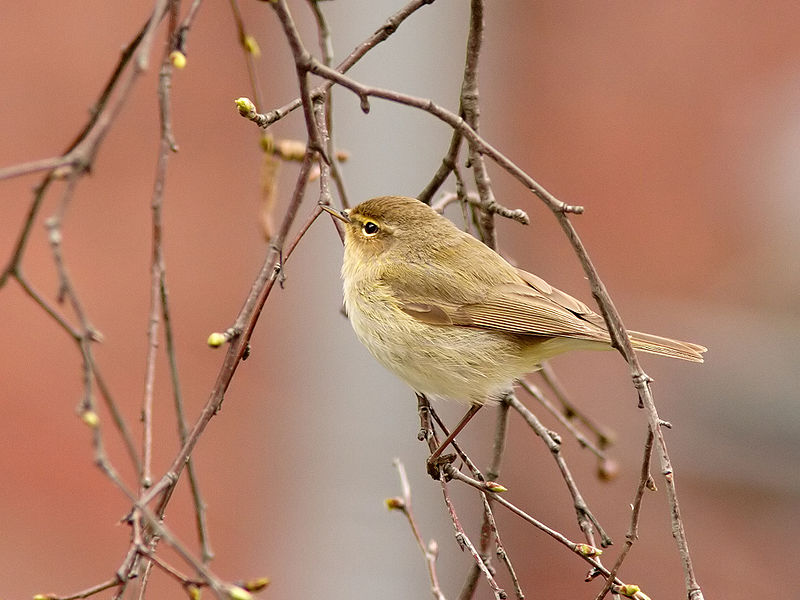
Bird Watch – Wonderful Warbling by Darren Shepherd

Chiffchaff (phylloscopus collybita). (Source: Image by א (Aleph), http://commons.wikimedia.org)

Well, I’m back from my foreign travels (well, Brighton actually) and it seems I’ve been followed !!

With the window open this morning, I awoke to the wonderful sound of the “chiffchaff” (phylloscopus collybita),  a delightful little warbler that spends our winters on”holiday”in the Mediterranean and south west Africa.  This little bird has flown all that way back and found Parkinson’s Park much to its liking, to re-fuel and build its body weight back up to its pre migration weight.  The bird may just be passing through to its breeding grounds further north, or,  it may have hatched from its egg in the Park in previous years, and be a male singing to establish a territory and attract a mate.  Amazing stuff !!

The next one to arrive in a week or so will be the “willow warbler”(phylloscopus trochilus), closely followed by the “blackcap” the king of the singers.  Can’t wait !!!

The Birds, the Bees and Our Jubilee Trees – Darren Shepherd

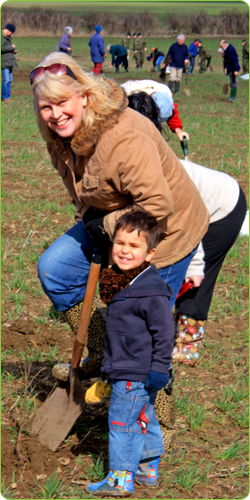
Liz, Ben and Freddie Lawson, digging the new 'supermarket' foundations

A great day yesterday, planting out our new trees, to create a field edge scrubland habitat for the birds and wildlife of Parkinson’s Park.  All the trees we planted are native British trees which provide food and shelter for our disappearing wildlife.  We planted hazel (nuts and catkins), elder (berries and flowers), blackthorn (flowers and sloe berries), dog rose (flowers and rose hips), and crab apple (flowers and fruit): a brilliant mix to diversify the habitat at the top of Great Brow, and complement the existing old, tall, hawthorn hedge.

Once grown, the new scrub area will benefit both resident and summer migrant birds by increasing the natural food harvest.  It will also provide shelter for willow warblers, chiffchaffs, blackcaps and garden warblers who breed and migrate through this area in large numbers in spring.

The tree-tits and goldcrests will love this improvement, Continue reading

” He Who Plants A Tree, Plants A Hope”

Darren Shepherd, tells David Myers about the trees as Friends gather with spades

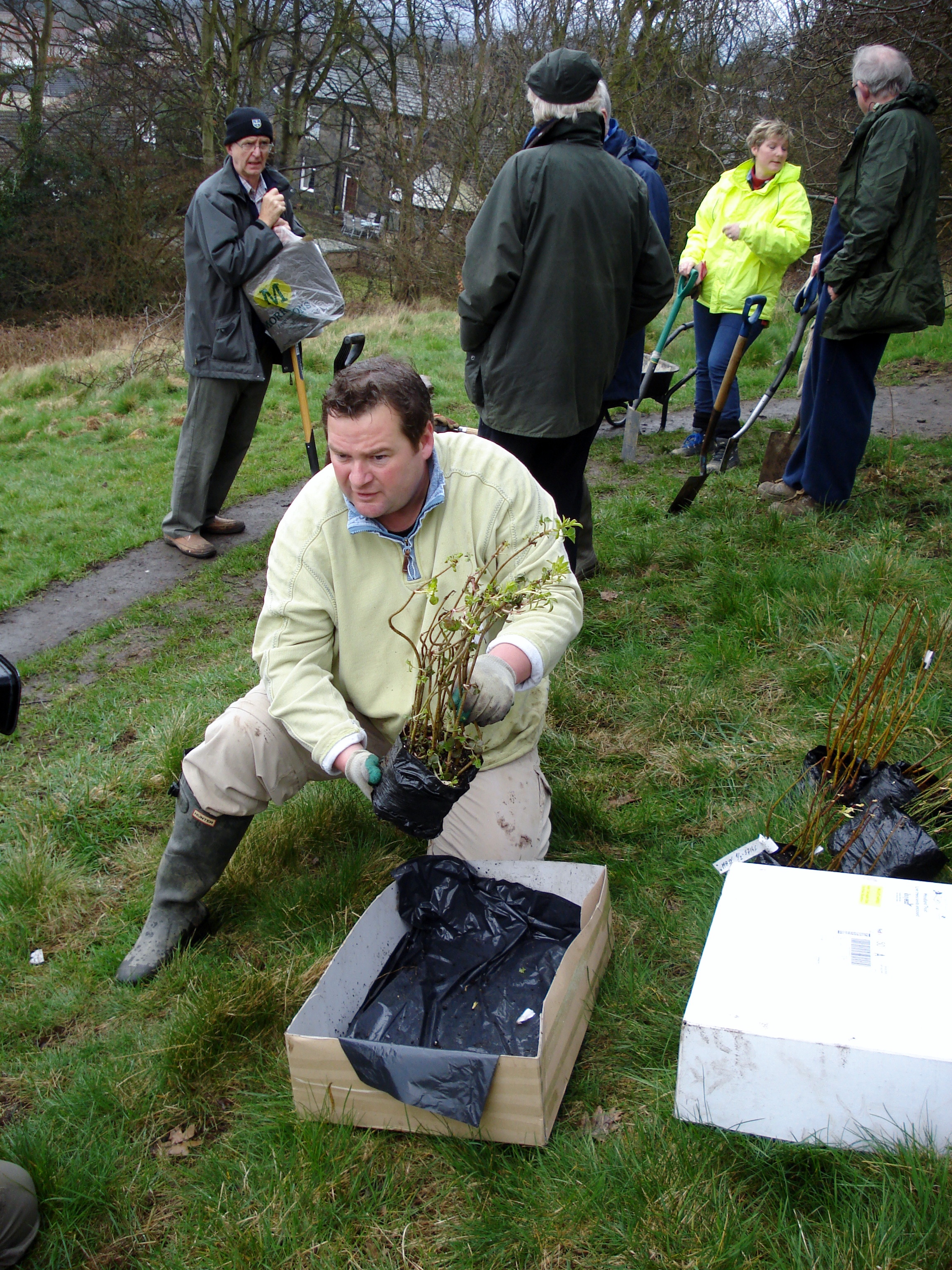
“A superb morning and a great effort by like minded people”.  That was the verdict of the Friends who turned out on a drizzly morning to be told by project manager Darren Shepherd how to slit plant 104 trees donated by the Woodland Trust for a wildlife shrub border to celebrate the Queen’s Jubilee.

After an initial damp start, we were soon stripping off, as the sun beat down on our efforts, and the digging started to work those calories.  As if to help us, no sooner had we finished our Yorkshire snack of tasty fruit cake and cheese, than the heavens opened and rained poured down on the newly planted whips: we hope that is a good omen !

This was the first Friends project to get underway,  and Councillor Graham Latty came to open the event and wish us well.  Continue reading

Plant A Tree For The Queen’s Diamond Jubilee

Planting a Jubilee Tree

UPDATE 9AM 17TH MARCH – TREE PLANTING IS ON

To celebrate Her Majesty The Queen’s historic Dimond Jubilee in 2012, the Woodland Trust is encouraging people to come together in their neighbourhoods and plant small areas of trees.  The UK is one of the least wooded countries in Europe with only 4% native woodland cover; we should have at least twice as much.  So, the plan in 2012 is to create hundreds of wooded areas across the country, and 60 special Diamond Woods, all on public access land and for the benefit of all.  The idea is to  transform our landscape in a generation, provide bird and wildlife havens, and leave behind for our children a lasting and meaningful tribute.  The project includes the Woodland Trust’s new flagship Diamond Wood in the heart of The National Forest in Leicestershire

We are pleased to say, that the Friends of Parkinson’s Park, have been given 105 small Continue reading

All Ready for a Hockney View

All ready for Hockney treatment

In a jostling, bustling, hogarthian, crowd scene, hands reached for guide books on Yorkshire, amidst the umbrellas, postcards, and souvenirs at the end of David Hockney’s A Bigger Picture.  The lad from Bradford, has done us proud; as people from around the world queue to oooooo and ahhhhhh, at the jewel coloured Saltaire, and woods around Bridlington.  I do hope, if they make their way to our climes, they realize Salts Mill will be robed in a more enigmatic palette of grey.

More than anything, it is the sheer quantity of pictures, many of the same scene, each using colour to capture a different seasonal ambiance, that impresses.  I’m sure some BBC culture bod would enthuse about post modern relevance, or sneer at delusions of lost Empire – as the hegemony takes them.  However,  I left feeling proud of our county, and with ideas running through my head – isn’t that what art if for? Continue reading

Showcasing Traditional Crafts on St David’s Day

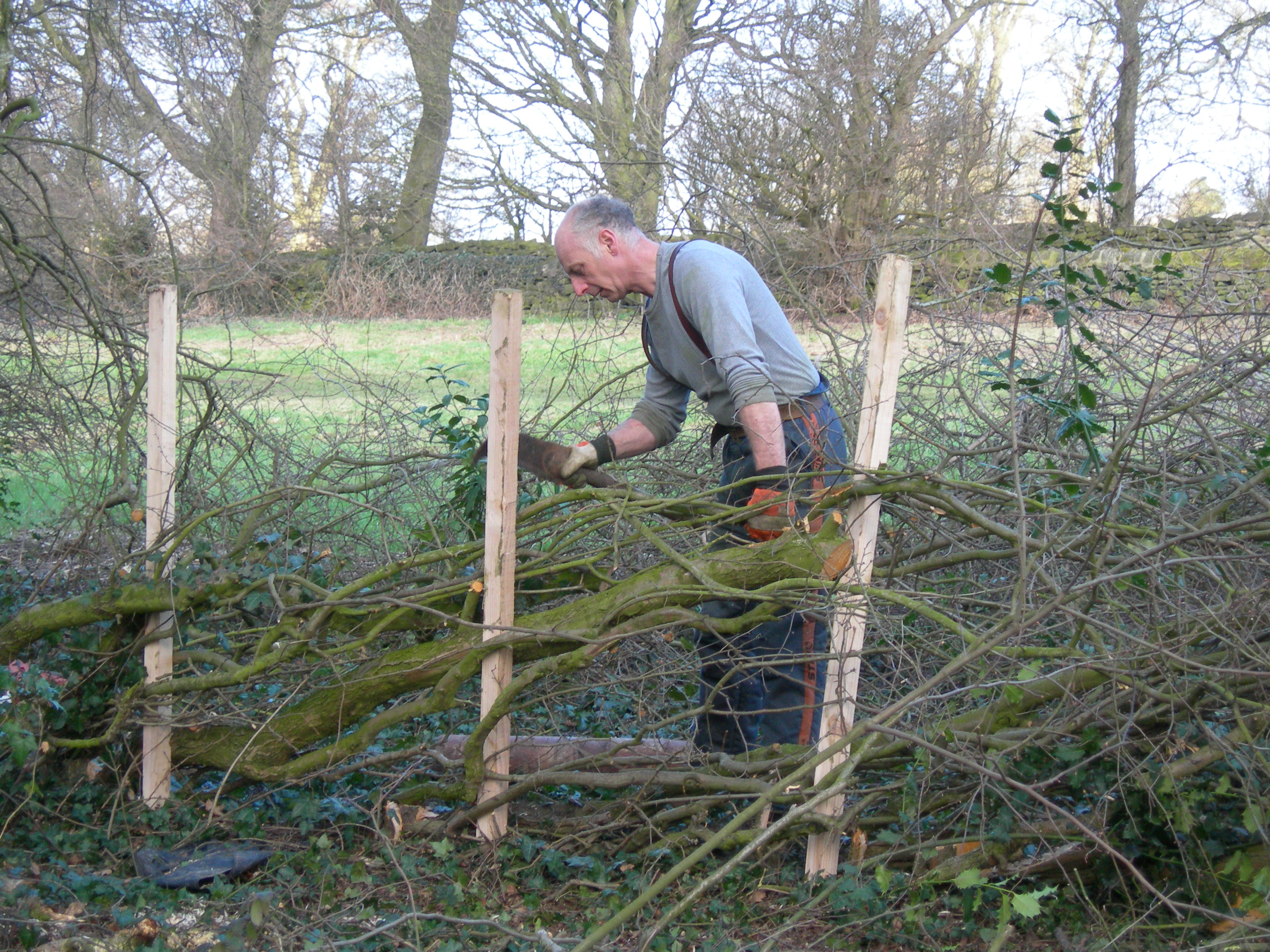
Tradational Craftsman Peter Coates Creating a Yorkshire Style Hedge

Peter Coates has started laying the copse hedges this week – Yorkshire Style.   Hedge laying is a traditional method of hedge management that dates back to pre-Roman times; there are different styles for different areas of the country, depending on the type of farming.  Laying is mostly used when hedges have become overblown – as is the case with the Park’s – although a hedge can become so bad that not even hedge laying will bring it back.  Fortunately, these hedges have not quite got to that stage – although the situation was close.

To recreate a viable, health, hedge the tall stems are cut almost through at the base, and then laid over at an angle of around 35 degrees: the cut stems, called pleachers, are tucked Continue reading