ORCHARD NOW PROTECTED BY THE GUISELEY DRAGON

The dragon has been important in Northern European cultures for millenia; as seen in artefacts, poems and sagas. Its symbolism is complex but includes courage, watchfulness and protection – dragons can be good, or bad.

Iron Age Britons, Anglo Saxons and Vikings all used zoomorphism (or animal symbolism) to describe many things from humans to the mood of the sea. The Vikings had their dragon ships, the Welsh still have a dragon on their flag* and the Anglo Saxon burial at Sutton Hoo ( 625 AD) is famous for its dragon helmet. The British King Arthur was the son of Uther Pendragon, whilst the Anglo Saxon poem Beowulf tells of heroic dragon slaying. Modern stories that draw on earlier folklore also have their dragons from The Hobbit, to Harry Potter.
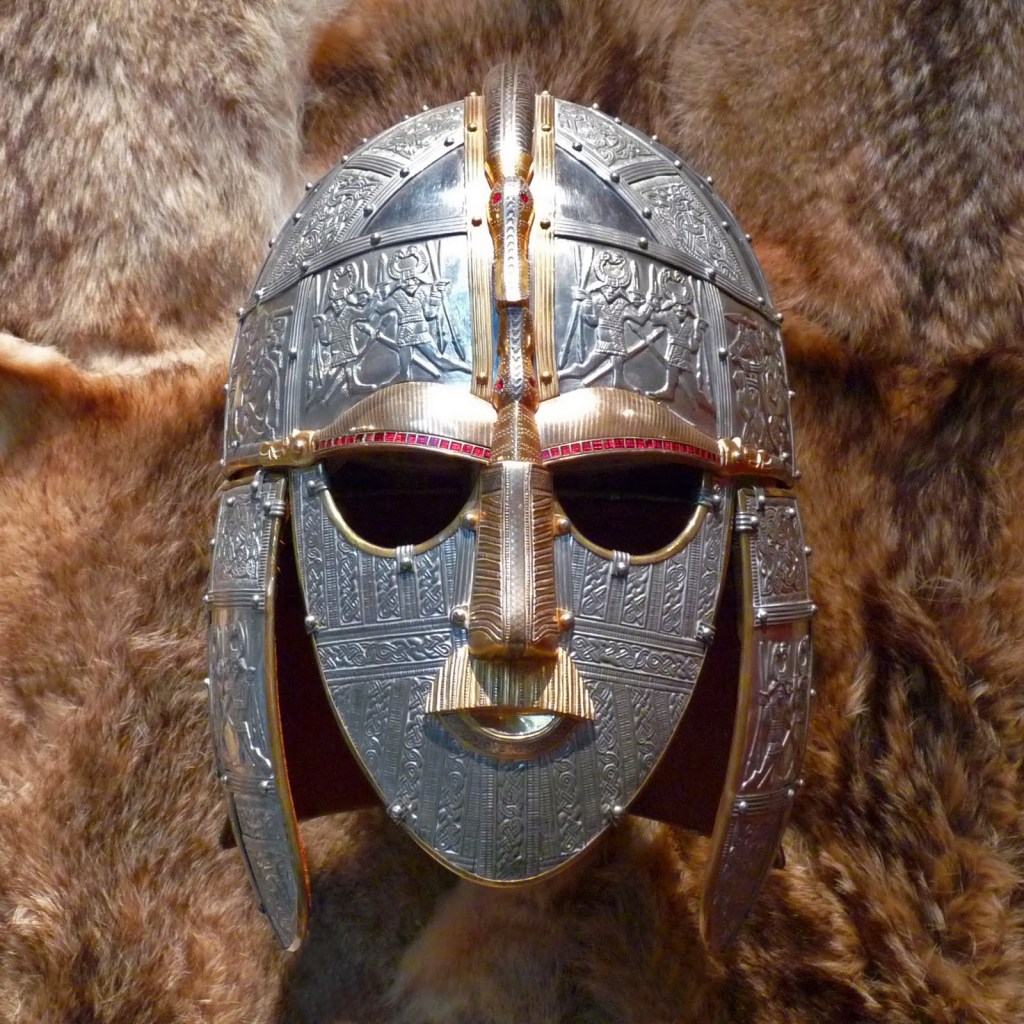
Sutton Hoo Helmet with the dragon forming the nose, eyebrows and moustache.

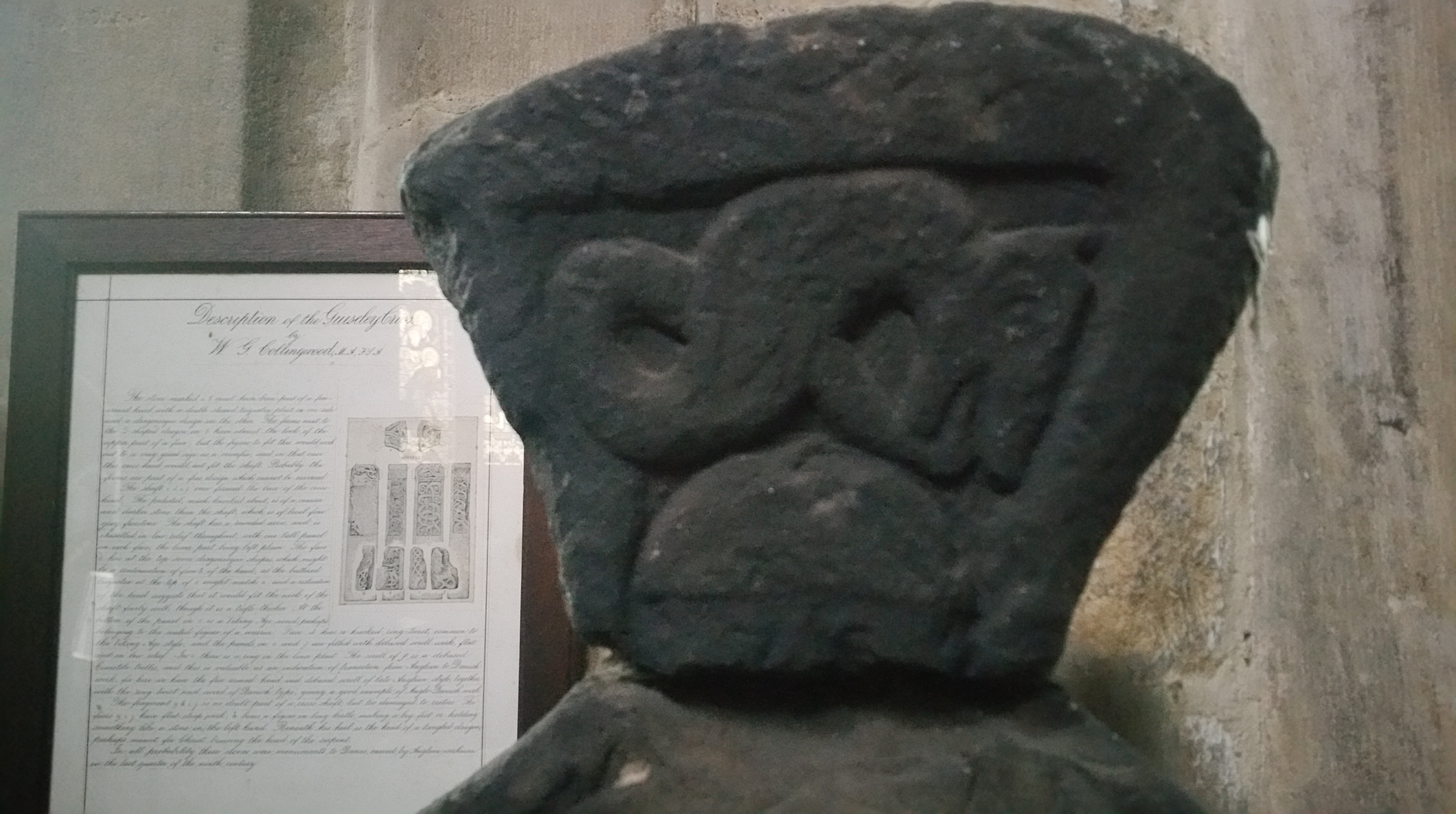
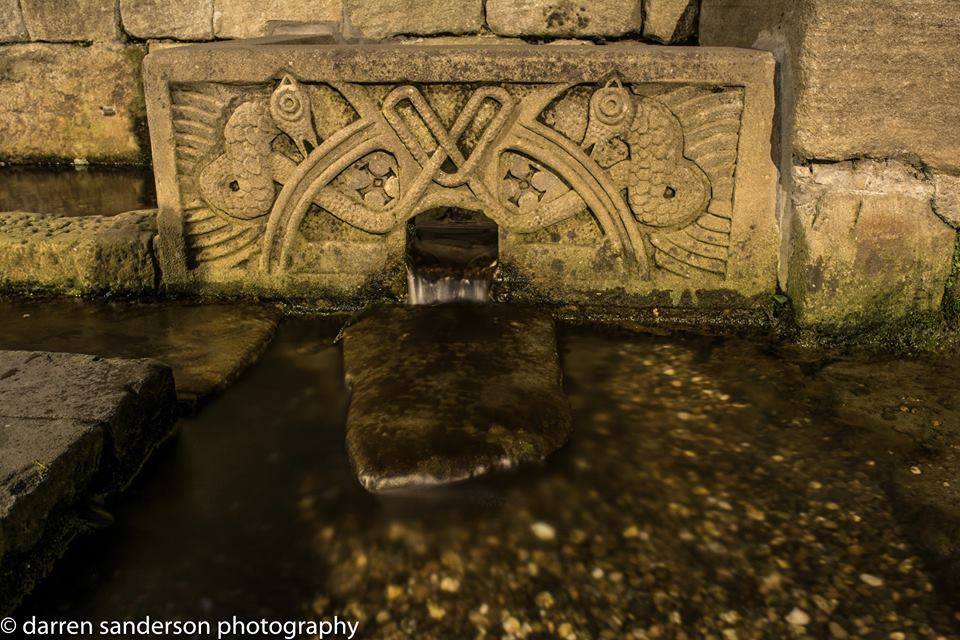
In Guiseley, we too have a dragon: you can find it on part of a 9th century, early medieval cross, now in St Oswalds. This motif has also been carved on the stone at Guiseley Wells when it was restored at the Millennium as a Heritage Lottery project. Now, given what we know about the history of the land which is now Parkinson’s Park, we have a Guiseley dragon protecting our Orchard, based on an Anglo Saxon drawing.

* Our area used to be part of the British Kingdom of Elmet 470 – 617 AD – it was closely allied with the Kingdom of Gwynedd. At the end of the 5th century Elmet had a King called Arthuis ap Masgwid he was likely named after the slightly earlier High King of Britain King Arthur, of legend fame.
Continue reading

Art in the Park

Lots of art in the Park at the moment; done by the public, as well as nature.

  • Painted stones to find – picture Becky James
  • Woodland leaf patterns
  • Inspirational photography – Liakat ParapiaHawthorn Leaf (Aireborough Camera Club welcomes new members) and Darren SandersonOld Chestnut Tree (runs photography walks).

On 1st December we also have the Advent Tree dressing which this year is run by the Little Friends of Parkinson’s Park. Continue reading

Sandringham Sends A New Jubilee Tree

Sandringham Estate’s Gift to Guiseley

Following the publicity about our stolen Jubilee Oak,  we have received an email from Mr Alexander George, Deputy Land Agent for the Sandringham Estate,  offering us a new Jubilee Oak.  This has now arrived safely,  and is a few years older than the last one –  big enough to be surrounded by some protection.

Darren Shepherd will be doing the planting honours again, as in March, and we will let all Friends know when planting will take place.   Barbara Winfield thought it would be nice to have a special Guiseley guest at the event, so ideas for who that could be are welcome.

If anyone has any thoughts about protecting the tree,  do let us know.   Josie pondered that a surrounding ditch covered in leaves might do the trick, and Andy wondered about hiring a Barghest. Continue reading

All Ready for a Hockney View

All ready for Hockney treatment

In a jostling, bustling, hogarthian, crowd scene, hands reached for guide books on Yorkshire, amidst the umbrellas, postcards, and souvenirs at the end of David Hockney’s A Bigger Picture.  The lad from Bradford, has done us proud; as people from around the world queue to oooooo and ahhhhhh, at the jewel coloured Saltaire, and woods around Bridlington.  I do hope, if they make their way to our climes, they realize Salts Mill will be robed in a more enigmatic palette of grey.

More than anything, it is the sheer quantity of pictures, many of the same scene, each using colour to capture a different seasonal ambiance, that impresses.  I’m sure some BBC culture bod would enthuse about post modern relevance, or sneer at delusions of lost Empire – as the hegemony takes them.  However,  I left feeling proud of our county, and with ideas running through my head – isn’t that what art if for? Continue reading

Showcasing Traditional Crafts on St David’s Day

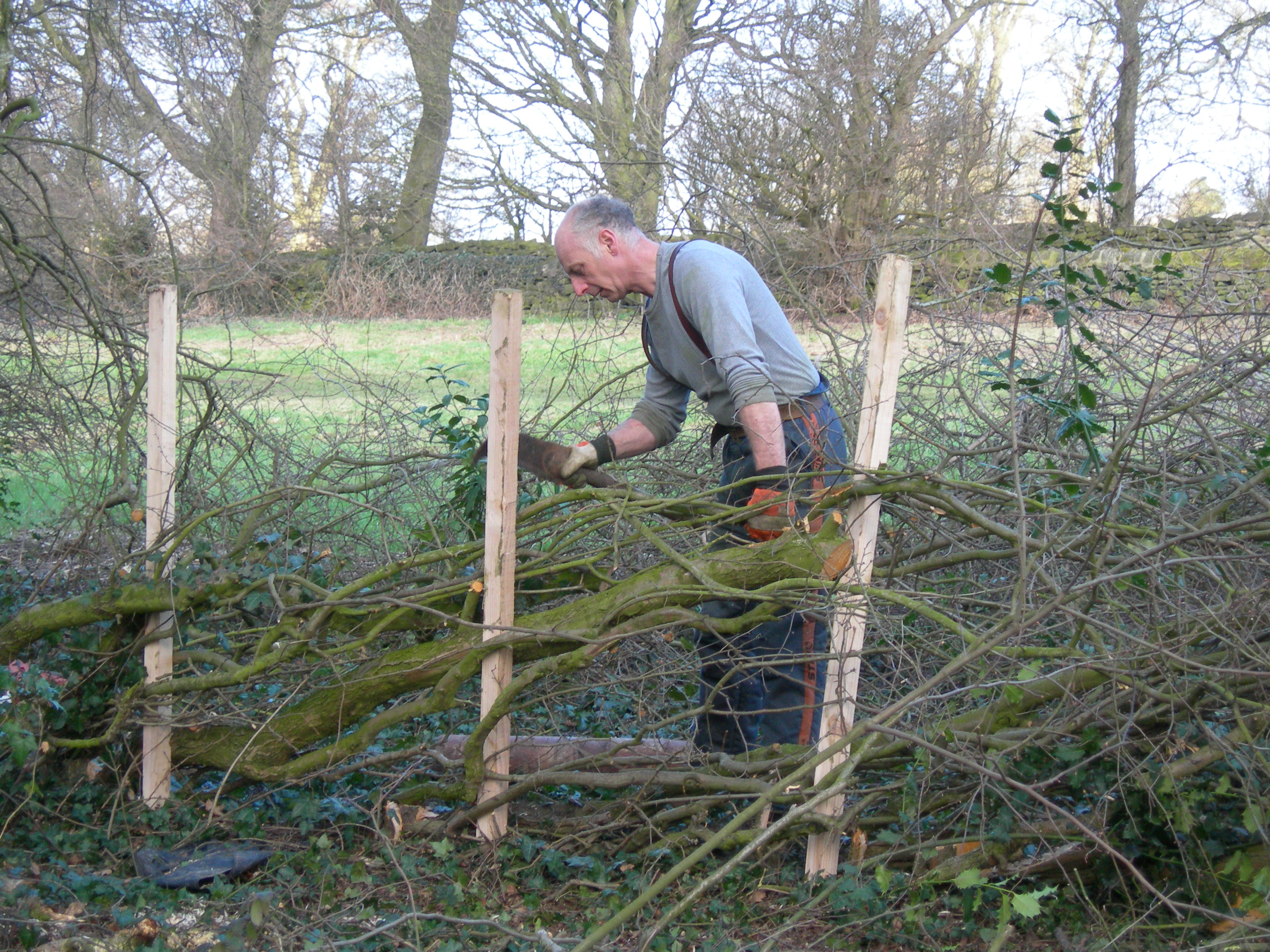
Tradational Craftsman Peter Coates Creating a Yorkshire Style Hedge

Peter Coates has started laying the copse hedges this week – Yorkshire Style.   Hedge laying is a traditional method of hedge management that dates back to pre-Roman times; there are different styles for different areas of the country, depending on the type of farming.  Laying is mostly used when hedges have become overblown – as is the case with the Park’s – although a hedge can become so bad that not even hedge laying will bring it back.  Fortunately, these hedges have not quite got to that stage – although the situation was close.

To recreate a viable, health, hedge the tall stems are cut almost through at the base, and then laid over at an angle of around 35 degrees: the cut stems, called pleachers, are tucked Continue reading

Appeal – Can You Remember Way Back When?

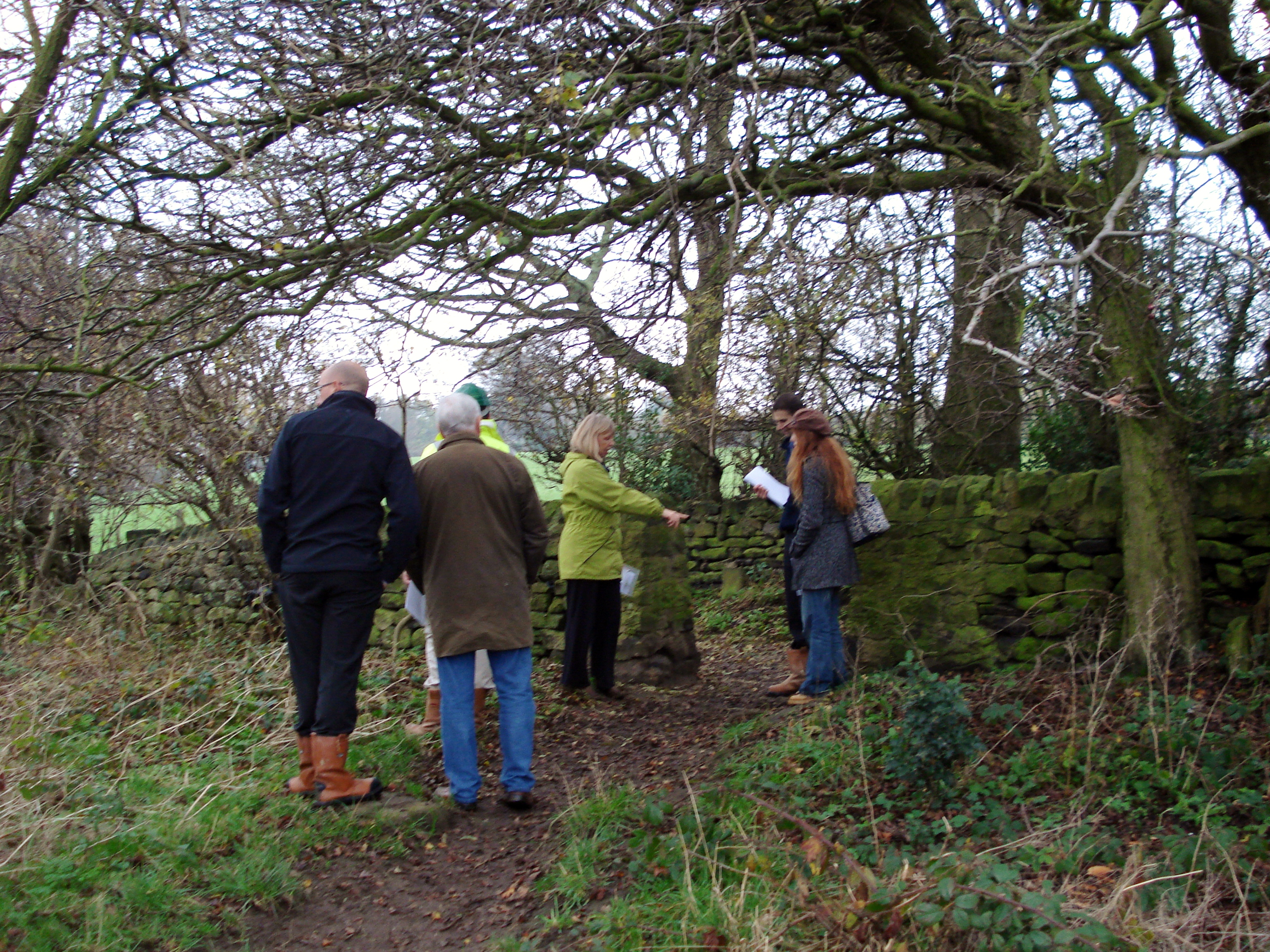
Discussing the sheepfold entrance

At the top of the Park is an area we have called the ‘sheepfold’ entrance (although, in truth, waller Martyn Hornsby-Smith tells us the walls are probably too low for that).  On old maps it looks like a triangular walled area, and some of us old enough to remember, vaguely recall such a structure with a stile, and a seat that looked west.   We don’t know what this area was, and we don’t know exactly how it looked.  The walls have disappeared, and all that remains is the sides of the stile, lying in the path (providing a stand for Bellway’s Simon Uttley in the picture.  Councillor Graham Latty is standing in the gap of the old stile).   So, we are putting out an appeal for anyone who remembers what the area looked like:  do you have a picture, a map, or could you do a rough drawing.  Most of all,  does anyone know what it was used for – was it an animal fold, or maybe a turning circle for carts, or even something to do with the drainage that cross the Park around this point.  As the churn stand, and an interesting set of stone gateposts are also in the area, we’d like to restore this feature,  but need more information to do it properly .

Day 3 – Cold and Wet

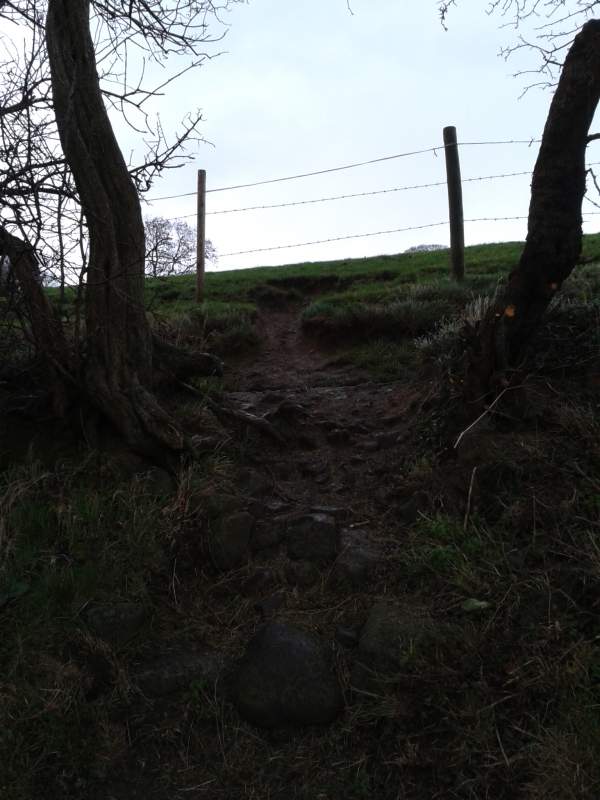
Hillside Avenue Entrance - cut back and opened up

Today I wondered along to the Park with a hope of seeing some of the Pudsey Landscapes Operatives in action but my timing was off and there was little sign of them (it was midday!). It was also very cold and very wet with a distinct feel of winter in the air. What was very pleasing to see was that early attention had  been given to making the entrances more accessible and the paths widened. It is very early days and there is so much more to be done but  already there are  small improvements that make walking in the Park a more pleasant experience than it was before. Well done Pudsey Landscapes and keep up the good work.

Ah, Ha, That’s What It Is !!

Churn Stand, Kelcliffe Lane

We have puzzled and puzzled over a feature on Kelcliffe Lane at the top of the Park:   four pillars with an iron bolt coming out of the top of each.  Many of us remember a structure of wood across the top,  and many thought, naturally, it was a seat.  But, in good Time Team fashion, a seat didn’t make sense.  Why, so close to a wall?  Why no back?  Why didn’t it have a better view?  Why four pillars and so long?   Did a line of people sit there? Continue reading