We’re going on a butterfly hunt …………….

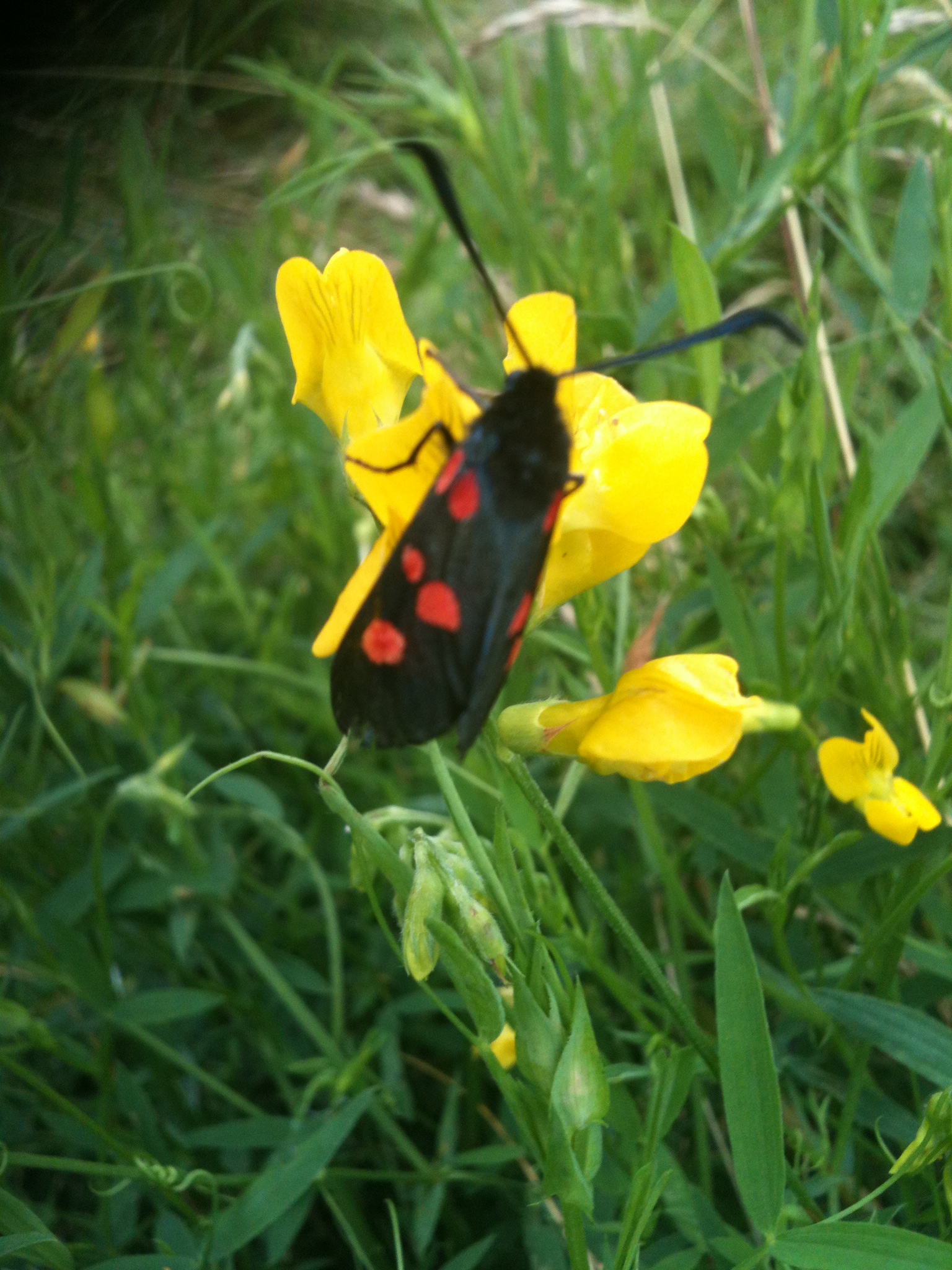
Six-Spot Burnet Moth on Yellow Pea Vetch

Eleven o’clock sharp,  our small band of butterfly hunters set off to see what we could see for the Big Butterfly Count.  Conditions were not the best for butterfly spotting,  being mild, slightly overcast and breezy: butterflies are cold blooded and need to warm up before they take to the air, and like calm days.   However, we went to the area just below the woods which Darren  said held the best potential.   This seems to be a spot which is rich in wild flowers – wood anemones, celandine and bluebells in the spring, clover, yellow pea vetch, and lesser knapweed now: it is also teaming with insects of many kinds.

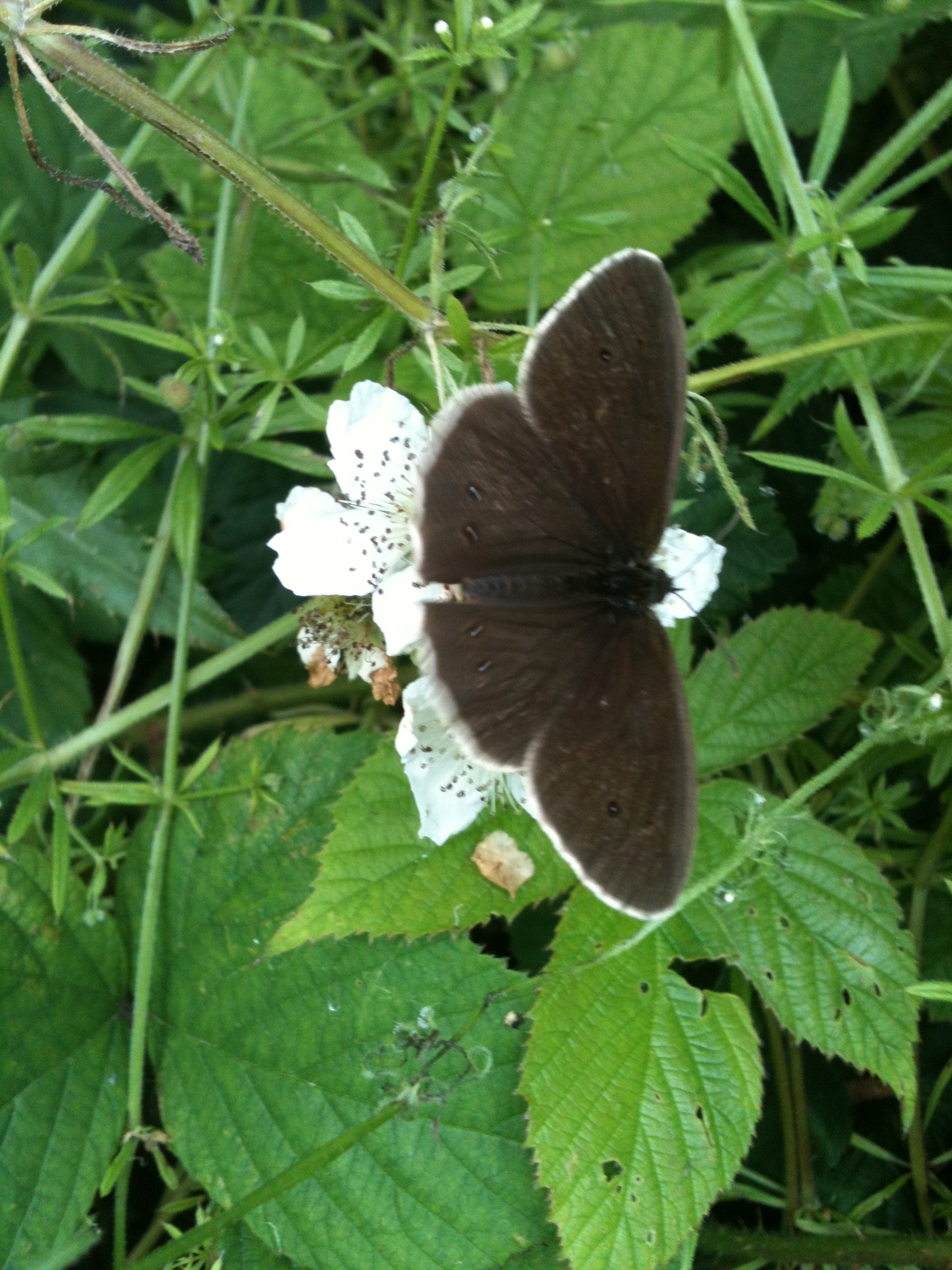
In our allotted 15min,  we spotted two large skippers, two six-spot burnet moths, several meadow browns and a number of ringlets.   A subsequent walk around the park also led to sightings of a small tortoiseshell, and many more ringlets.  Continue reading
The Big Butterfly Count – by Darren Shepherd

Ringlet in Parkinson’s Park

‘The Big Butterfly Count’ was launched by the one and only David Attenborough last Saturday, 14th July and runs until 5th August.   Counting butterflies helps us test the health of our environment, so, I thought we could gather some Friends together and do our  own ‘Butterfly Count’ in the Park next Sunday morning, 22nd July, 11am for 1hour.

I have been keeping an eye on an area in the park that is along from the ‘Greenshaw terrace’ entrance.  This area seems to be a stronghold for butterflies and moths, and also lots of other insects.

Butterflies  I have seen recently have included, the Meadow Brown, the Ringlet, the Small Copper, large and small Skippers,and  the Red Admiral.  Moths have included, the Chimney Sweeper, and the Six Spot Burnett (day flying moths).

This area seems to be more productive than other areas of the park for insects,  but looks similar to the rest.  I’d love to know if any botanists can shed some light on why  this could be?  The area is also “alive” with field crickets, so if we have a nice sunny day next Sunday we may get some nice surprises.  Looking forward to it.

If you spot any butterflies yourself, please report your sightings in the comments below.  You can download a handy chart from the Big Butterfly Count website here.

Yorkshire in Bloom – by Chris Parapia

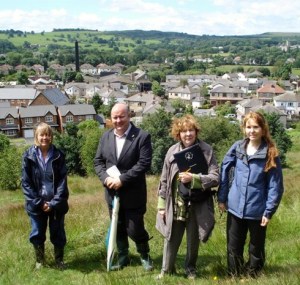
Assessors Peter and Christine (in the middle) from the It’s Your Neighbourhood Category of Britain in Bloom

On Wednesday 11th July “Friends of Parkinson’s Park” was visited by “Yorkshire in Bloom” judges Peter and Christine  as part of the “Its Your Neighbourhood” initiative which has been established by the Royal Horticultural Society.

The judges were accompanied round Parkinson’s Park by Chris, Barbara and Josie and spent over an hour looking at the park, asking questions about the work we have done and our plans for the future.

We particularly concentrated on how we have involved the local community, including the developers, local council and councillors and how we had successfully recruited over 40 “Friends” Continue reading

Hotel Le Scarabee

Steve Magson and Darren Shepherd brandishing their tools as the floors rise up

Hotel Le Scarabee opened for business last weekend – Guiseley’s newest lifestyle residency.   Look out for upcoming reviews on Tripadviser.

Rain delayed construction by a week,  but all was bright and sunny on Saturday 14th July, as the last wood shaving was laid.  Designed by local lad, Rob Turner, and project managed by Andy Cheetham, the construction had expert input from Darren Shepherd, and was lovingly crafted by Sue Jackson, Steve Magson, Caroline Herries.

The hotel stands in its own historic, wooded grounds, surrounded by traditional Yorkshire hawthorn hedging.  A wide, circular drive leads to the main door of the majestic six storey building which has an alpine design.  Surrounded on all sides with a compost course made from rosebay willow herb, and with ample supplies of bramble patches for the most discerning of guests, there is no need to leave Hotel Le Scarabee for any creature comforts. Continue reading

Hibernaculum Hotel

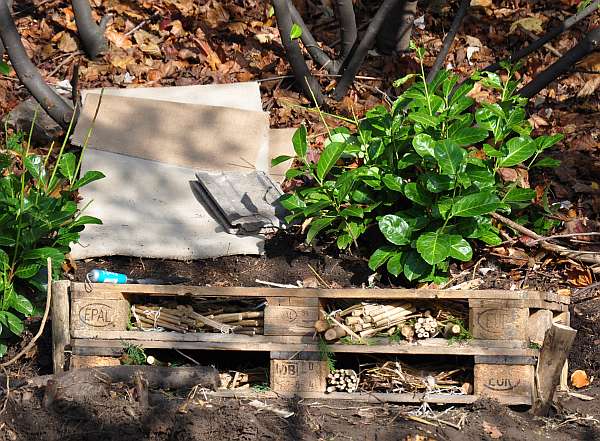
Hibernaculum

The Friends of Parkinson’s Park exists as a vehicle for local people to improve the Park in a way they see as relevant – within the bounds of the aim of a landscape park, the overall landscape plan, and the owners’ permission.   Local people have many and varied skills and we want the Park to be a means for them to use their own particular skills to build a community asset.

We were therefore more than delighted when Rob Turner, a student conservationist, approached us to ask if he could build a hibernaculum (a shelter or hotel for hibernating animals) in the top copse, and turn the area inside the hedge into a wildlife sanctuary.   We had already got the copses earmarked for wildlife, but it seemed better to do that in a managed way, rather than in a ‘just leave it’ fashion.  The other advantage is that the area can then be used for education on conservation.

So, Rob, together with Andy Cheetham, Darren Shepherd and Josie Brooks – our wildlife/ecology/conservation team – will be starting the project by clearing the area, and  building a hibernaculum, or even hibernacula for different types of animals eg insects, reptiles.   If any other of the Friends would like to volunteer to join them,  they will be starting at 10am – 12noon on Saturday 14th July, meet at the top copse.  

Bird Watch – Gone But Not Forgotten, by Darren Shepherd

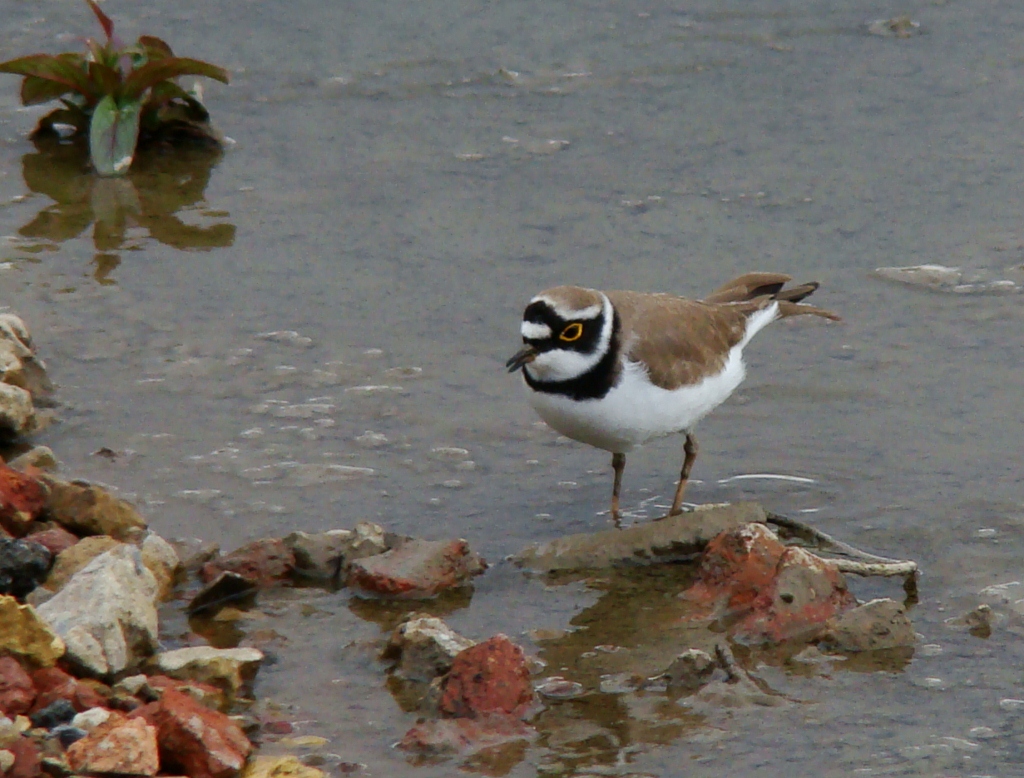
Little Ringed Plover at Crompton Parkinsons

Hello again and welcome to the next bird watch post. This post is about some very rare birds that took up residence on the Bellway building site a few years back, but have now gone.

The first bird is the “little ringed plover” a superb little wading bird that colonised the UK as recently as 1965, with just the odd pair breeding at a gravel pit “down sarf”. These birds decided to set up home in Guiseley on the site of the demolished lamp works of “Crompton Parkinsons”,  which,  due to the reccesion,  had been left for a few years before work commenced. The old bricks from the factory were crushed on site and spread out as hardcore.This allowed various puddles and pools to become established and alive with insects and wild vegetation, providing ample food for the birds. The birds raised young for at least 3 years, but were predated at least once,with cats and corvids the main suspects. Continue reading