Unknown's avatar

About PoppyCornfield

An ecologist and wildlife enthusiast. Aspiring writer of children’s picture books, often with an animal related theme. Working on a couple of novels, one historical and one contemporary.

Spring flowers

Despite a cold spring the flowers are now in full bloom around the park and looking wonderful.  Some have already gone over while others are on the cusp of bursting forth, a trait of nature which ensures that plants take advantage of the right conditions.   A comment at our recent AGM has prompted me to post about seasonality and natural conditions and the way we are working within this to enhance the natural beauty of the park rather than turn it into a manicured, controlled space such as you would get in most urban towns.

The carpet of bluebells in the woodland area has been wonderful but as the canopy closes over and light reduces, these plants know they’ve had their time.  IMG_1336Within the areas of open grassland, however, which get full sunlight, plants can continue to thrive much later in the year.  The number of wild flowers throughout the park is increasing year on year, largely due to the few but nonetheless effective grass cuts we have managed to organise over the last few years.

Plants have a fantastic ability to wait until the conditions become more suitable to them, remaining in the seedbed below ground, then emerging and taking advantage of the new conditions.  So all the species we are now seeing around the park have just been biding their time. Continue reading
Tree planting in the sunshine

A loyal band of local people met in the park on a cold Sunday to help create a community orchard for Guiseley.  It was a frosty morning but the sun was shining and soon warmed the ground – and us.

Briefing the troops

After a quick briefing by Josie about how to give the trees the best start, the volunteers dispersed and began digging.

It was quickly discovered that the ground towards the bottom of the park was incredibly compacted, full of rubble and water logged.  So the majority of the trees were planted further up the park above Greenshaw Terrace.

Digging and digging and more digging....Fifteen trees in total were planted which included 10 apple trees, 3 pears and 2 plum trees.  These include Bramley, Red Devil, Lord Derby, James Grieve, Egremont Russet, Ribston Pippin and Discovery apples; Concorde, Conference and Invincible Pears and Jubilee and Laxton’s Plum.

The trees were delivered by a local Leeds nursery on Friday as bare rooted plants so needed to be planted quickly before they Continue reading

Is it spring yet?

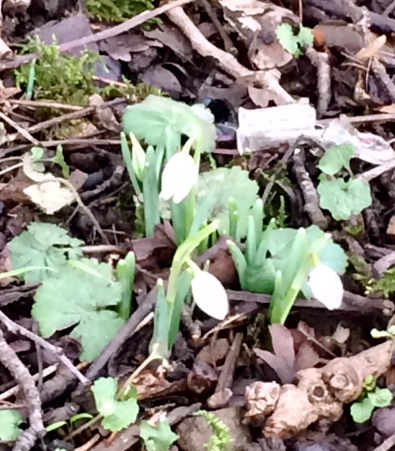
Have you noticed that the days are getting slowly but steadily longer? Have you managed to drag yourself out of the house into the muddy, windswept and bitterly cold outdoors long enough to spot the first signs of life such as the intrepid snowdrop? If you have poked your head out from beneath your cosy parka hood long enough you will have been rewarded by the first signs of life around you.

The park may look a little muddy and windswept at first glance with very little to get excited about, but on closer inspection, you will notice that things are beginning to awaken, if you look hard enough.

photo-6

Snowdrops budding near the sheep fold entrance

It is with the expectation of springtime, daffodils and birdsong, apple pies and butterflies, that I invite you to join the friends as we embark on another project to enhance the little patch of land that we call Parkinson’s park. A popular suggestion by the friends has been the planting of a traditional orchard. Once common, they are now under serious threat and many varieties of fruit are becoming endangered. They are now listed as a Priority Habitat under the UK Biodiversity Action Plan. As well as the loss of fruit varieties there is also the wildlife associated with the traditional orchard which needs protecting from funghi and lichen to invertebrates, mammals and birds. Continue reading

Springtime in Guiseley

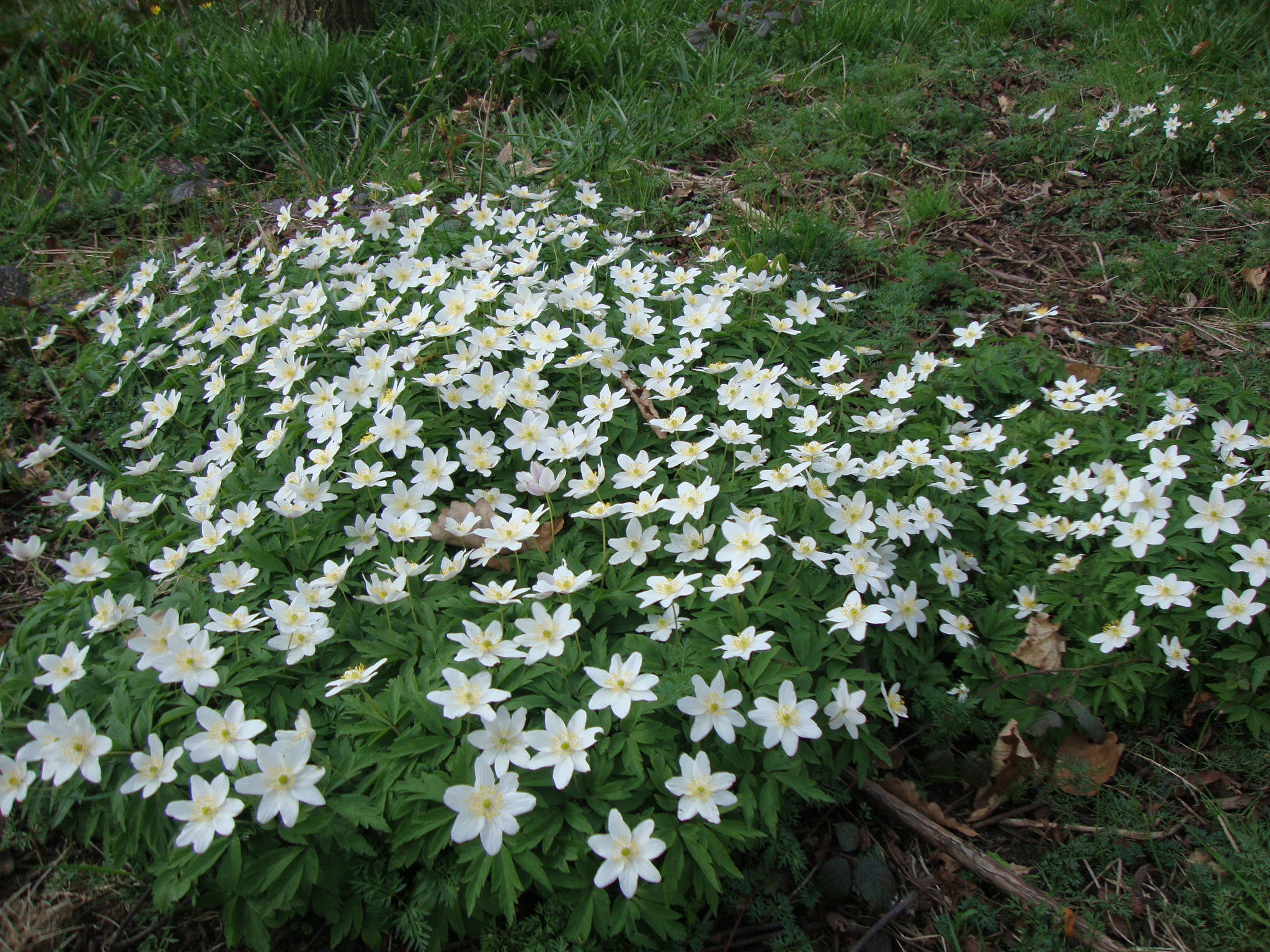
Walking through the park this week you will no doubt have spotted the new flowers which are opening up daily.  Spring has finally sprung and plants which have been shivering and clinging onto life for months have been rewarded with warm, nurturing sunshine.  There has been very little rain over the last few weeks, which could become a problem if the dry conditions continue, but at the moment the plants are thriving.The most stunning area of the park has to be the woodland path from Greenshaw Terrace, which is carpeted with beautiful wood anemones and celandine

Image

There are still some cheerful daffodils around the park although the striking display along Jubilee walk has now gone over. Continue reading

Community in Action

Last Sunday saw the pinnacle of the community calendar in Guiseley. The weather didn’t bode well but by lunchtime the sun was out and a blustery but dry afternoon greeted the hundreds of excited school children and parents, local sports groups, vintage vehicles, guides and scouts waiting along Station Road to begin the parade.

Image

Reclaiming the streets

The theme this year was the Olympics and the Jubilee and people really went to town on the costumes. It was wonderful to walk through the car free streets past the cheering crowds dressed as Kings and Queens, athletes, horse riders and runners complete with medals and torches. How different the town would be if the streets were traffic free all the time!

Once the parade had wended its way along the Otley Road Continue reading

Flower spotting in the park

After a walk in the park today I felt inspired to write a post on what I had seen. It feels as if the park has really blossomed over the last few weeks, no doubt helped by all the recent rain!

Image

Heath bedstraw on Great Brow

I headed first down the steep slope of Great Brow and towards the marshy area near the Bellway estate. The soft green hummocks of red fescue (Festuca rubra) and sheep’s fescue (Festuca ovina) grasses are peppered with swathes of the delicate white flowers of the heath bedstraw (Galium saxatile), a good indicator of acid grassland.

Honeysuckle (Lonicera) is creeping its way along the ground on the verge of bursting into flower alongside the tall spikes of common sorrel (Rumex acetosa).

Further along the slope is sheep’s sorrel (Rumex acetosella), a more delicate version of sorrel with tiny red flower spikes along with the feathery yellow flowers of tormentil (Potentilla erecta), both of which are found in acid conditions. Continue reading

Wild about Wildflowers: Sunday 15 April 2012

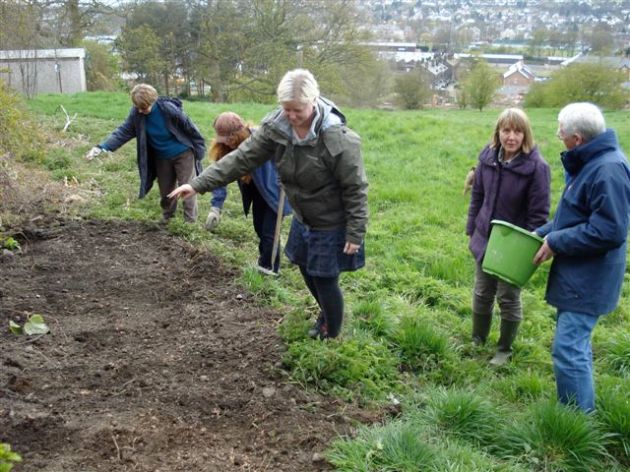
Today the rain just held off for the latest project to take place at Parkinson’s Park. As part of the RHS Britain in Bloom launch celebrating the Queen’s Diamond Jubilee and the beginning of National Gardening Week, a small band of volunteers sowed a 10 m square patch of prepared ground near the farm gate with a packet of cornfield annuals donated by the environmental charity Landlife. The seeds in the seed mix include corn poppy (Papaver rhoeas), corn marigold (Chrysanthemum segetum), corn chamomile (Anthemis arvensis), corncokle (Agrostemma githago) and cornflower (Centaurea cyanus) and should create a bright and colourful display. Councillor Latty came along to support the event and got his hands dirty!

Image

Scattering the seeds

In this photo (from left to right): Jane Blake, Josie Brooks, Nicola Denson, Chris Parapia and Councillor Graham Latty. Photo taken by Barbara Winfield

In the UK our wildflower populations are in serious decline with an estimated loss of 97% of the wildflower meadows between 1930s and 1980s. This is having a knock-on effect on the rest of the food chain. When wildflowers are lost the insects which feed upon them are lost too in many cases. Insects pollinate our plants, control other pests and provide food for birds and other animals. Continue reading

The Sounds of Winter

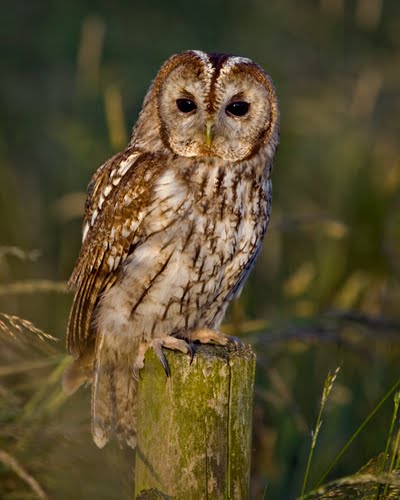
Tawny Owl. Panoramio photo by bluearodynamique

While many species are looking for places to bed down for the winter for some it’s a very busy season.  Many species are looking for a mate at this time of year and a key way of doing this is through vocal communication.  Many of them will be very familiar, such as screaming foxes during the night, which can be quite an eerie sound. Their calls let other foxes know their whereabouts and also ward off competition.

Twit-twoo”

Another common sound at this time of year is the screech of tawny owls.  Despite being a woodland bird, they have adapted to living outside woodland and can be found anywhere there are trees.  This species pair up in the winter and the “twit-twoo” booming out into the dusk Continue reading

Welcome Mr Toad (and hopefully Mrs Tiggywinkle)!

Mr Toad Moves Home !!

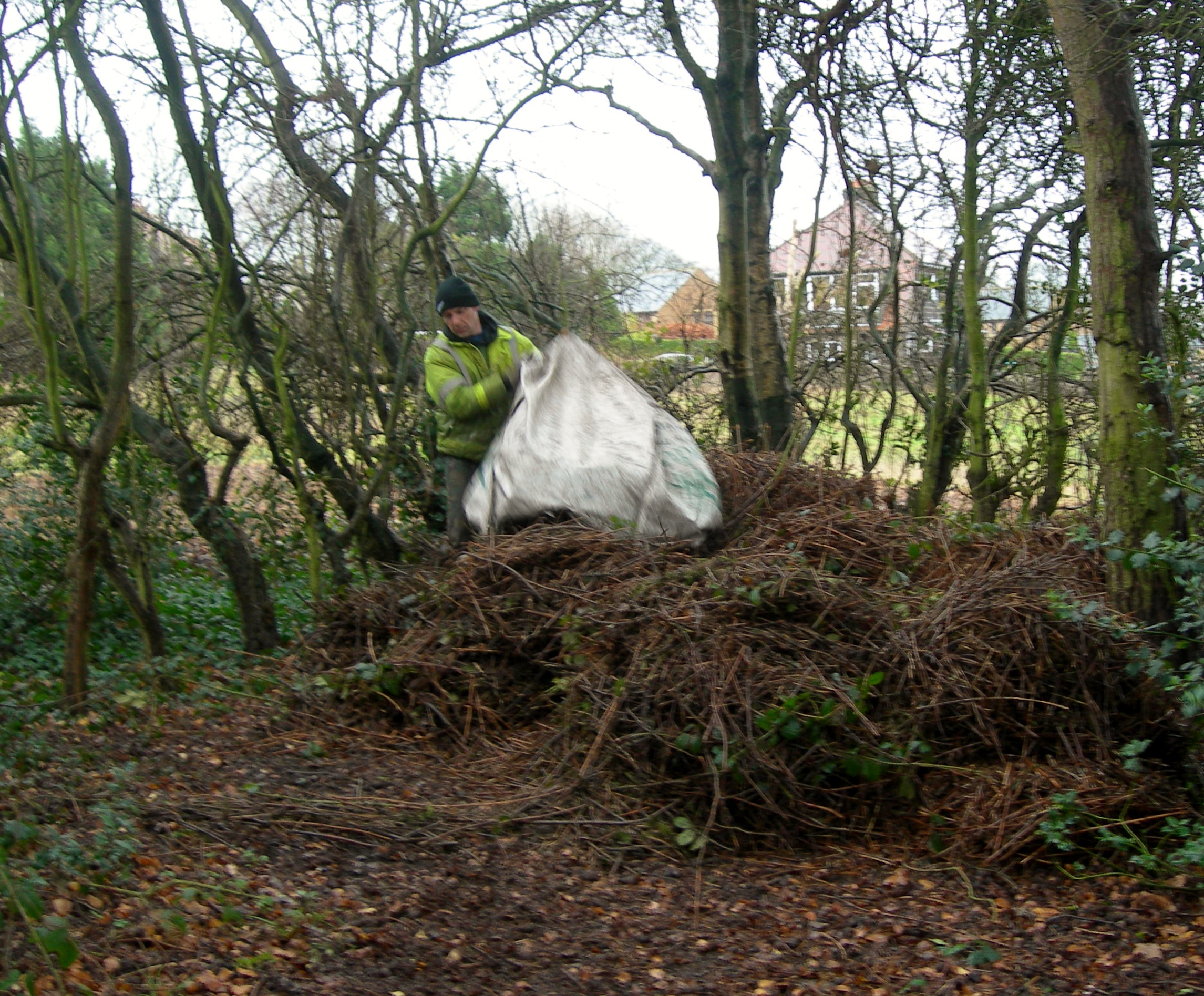
Although the park is getting a much needed overhaul some local residents may not be quite so pleased with the changes.  I am referring to the users of the park who often go unnoticed, but are, nevertheless, a vital part of the area.  Although not always evident, the fields are used by a wide range of animals, many of which are now looking for their winter resting places.  We have made sure we take this into account,  by factoring it into our management plan and ensuring that when we take something away, we put something back in return; so hopefully no animals will be adversely affected. Continue reading

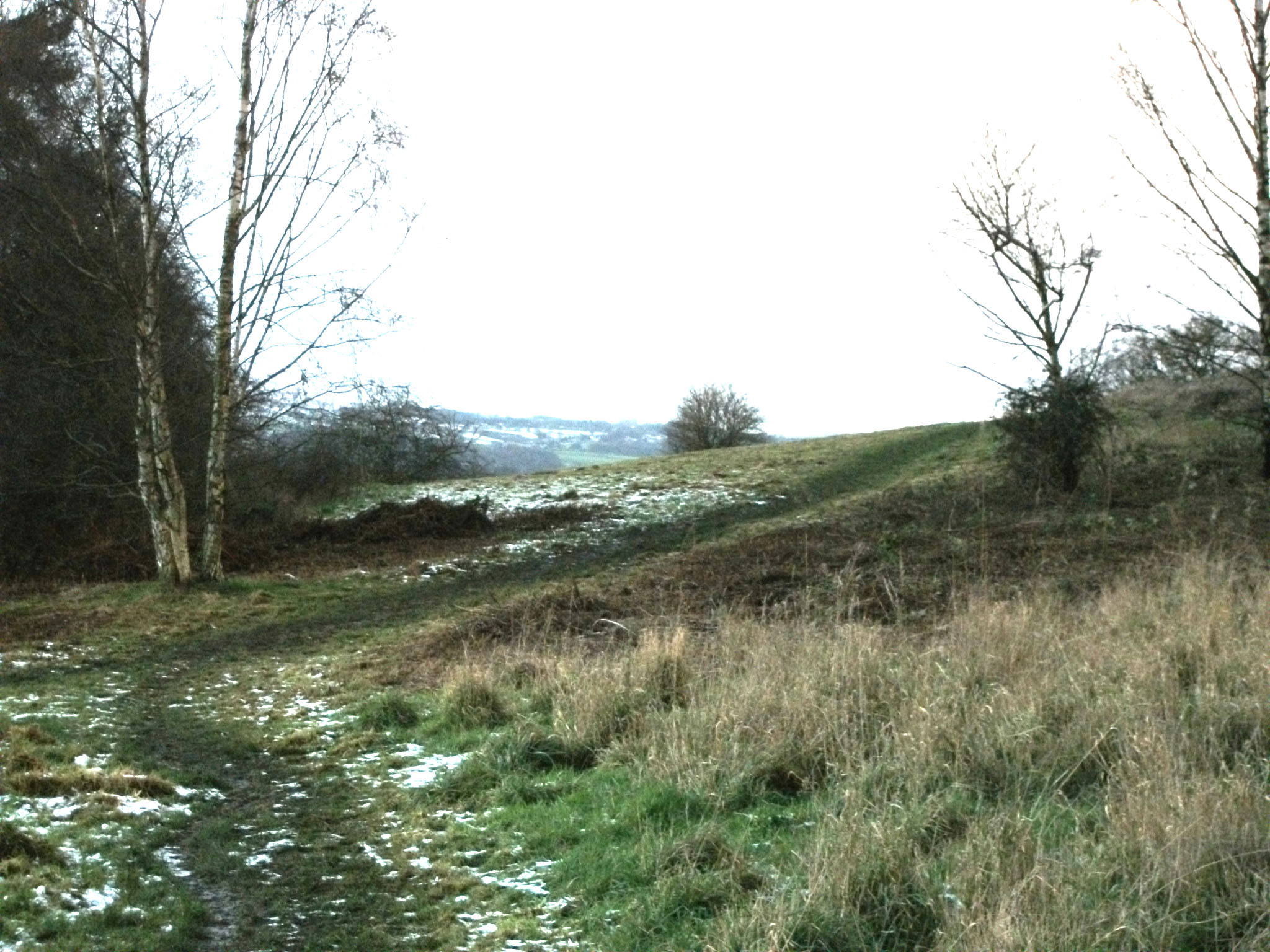
Day 4 – Opening up the views

View from the farm gate entrance

A beautiful snowy scene greeted Pudsey landscapers this morning.   A light covering had landed overnight but it didn’t stop work.  A visit mid morning revealed quite a change as the removal of the willowherb near the top copse was completed, which has opened up the view from the farm gate access right across to Ilkley moor.  The bramble has also been taken further back from the paths in this area to make them more open and welcoming.  With the completion of an extensive litter pick the park is becoming a much safer place to explore.  Let’s just hope we can keep it that way!