Parkinson’s Park Removed from the SHLAA

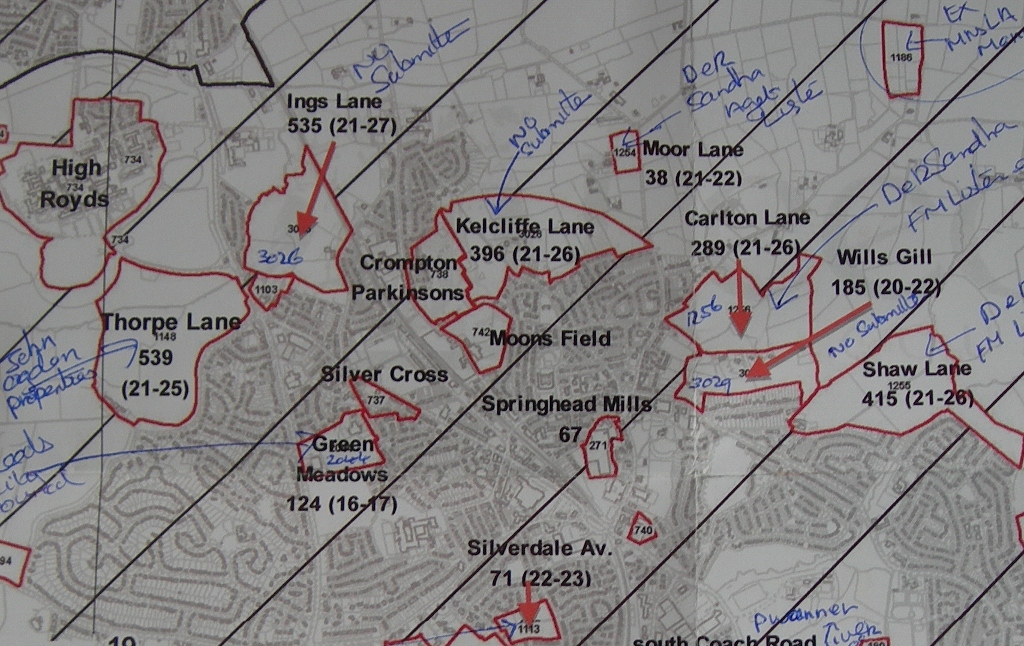
We have heard today from Leeds City Planners, that, after strong protests by both ourselves and local councillors, Parkinson’s Park has been removed from the Strategic Housing Land Availability Assessment, by the Leeds SHLAA Partnership.

SHLAA sites have been identified by Leeds and various local land owners as potential areas for housing.  These sites are currently being assessed for their housing potential under the Leeds Local Development Framework.

This still leaves the Kelcliffe Lane land in the SHLAA, and maybe other new areas in this part of Guiseley, but at least this is a start.  The new 2012 SHLAA map will be available in October, following a call earlier this year for more land to be earmarked as housing potential.
Are Houses Going To Be Built On The Park?

Guiseley SHLAA Areas Around Parkinson's Park

Parkinson’s Park was given to the people of Guiseley by Frank and Albert Parkinson.  But, the covenant which used to be on the land deeds (and has been seen in the safe at Crompton Parkinson’s) has been ‘lost’.  The land is now owned by the developers Bellway Homes, who have built Edison Fields, and provided funds to regenerate the Park.  Bellway will keep the Park maintained and work with FOPP, until the future of the Park’s is agreed – which is now the subject of discussion between FOPP, Bellway and facilitated by Councillor Graham Latty. Continue reading

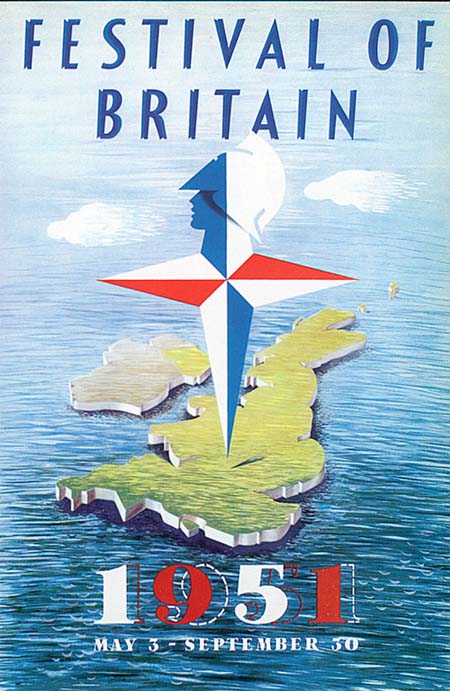
Were the copses planted for the Festival of Britain?

Poster for the Festival of Britain

It has been suggested that the two copses in the Park were planted for the Festival of Britain, and that is why they are somwhat triangular in shape.   We would love to find out from photographs or memories if this could possibly be the case.

The Festival of Britain was in 1951; its aim was to raise the nation’s spirits after the second world war by celebrating British culture and ingenuity.  At it’s heart was a large exhibition showcasing British  achievements in art, design science and industry.  The chosen site of the exhibition was the bomb damaged South Bank in London, near Waterloo Station; now the site of the Royal Festival Hall.

We know the copses were probably planted between 1950 and 1953,  and that Crompton Parkinson, being a leading British company, was deeply involved in the Festival Exhibition.  We also know that the first Crompton Continue reading

Plant A Tree For The Queen’s Diamond Jubilee

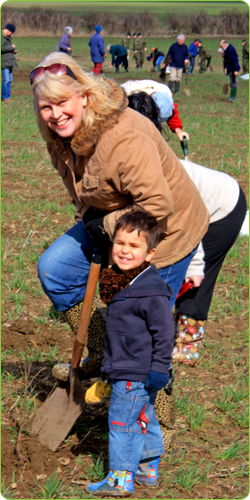
Planting a Jubilee Tree

UPDATE 9AM 17TH MARCH – TREE PLANTING IS ON

To celebrate Her Majesty The Queen’s historic Dimond Jubilee in 2012, the Woodland Trust is encouraging people to come together in their neighbourhoods and plant small areas of trees.  The UK is one of the least wooded countries in Europe with only 4% native woodland cover; we should have at least twice as much.  So, the plan in 2012 is to create hundreds of wooded areas across the country, and 60 special Diamond Woods, all on public access land and for the benefit of all.  The idea is to  transform our landscape in a generation, provide bird and wildlife havens, and leave behind for our children a lasting and meaningful tribute.  The project includes the Woodland Trust’s new flagship Diamond Wood in the heart of The National Forest in Leicestershire

We are pleased to say, that the Friends of Parkinson’s Park, have been given 105 small Continue reading

Showcasing Traditional Crafts on St David’s Day

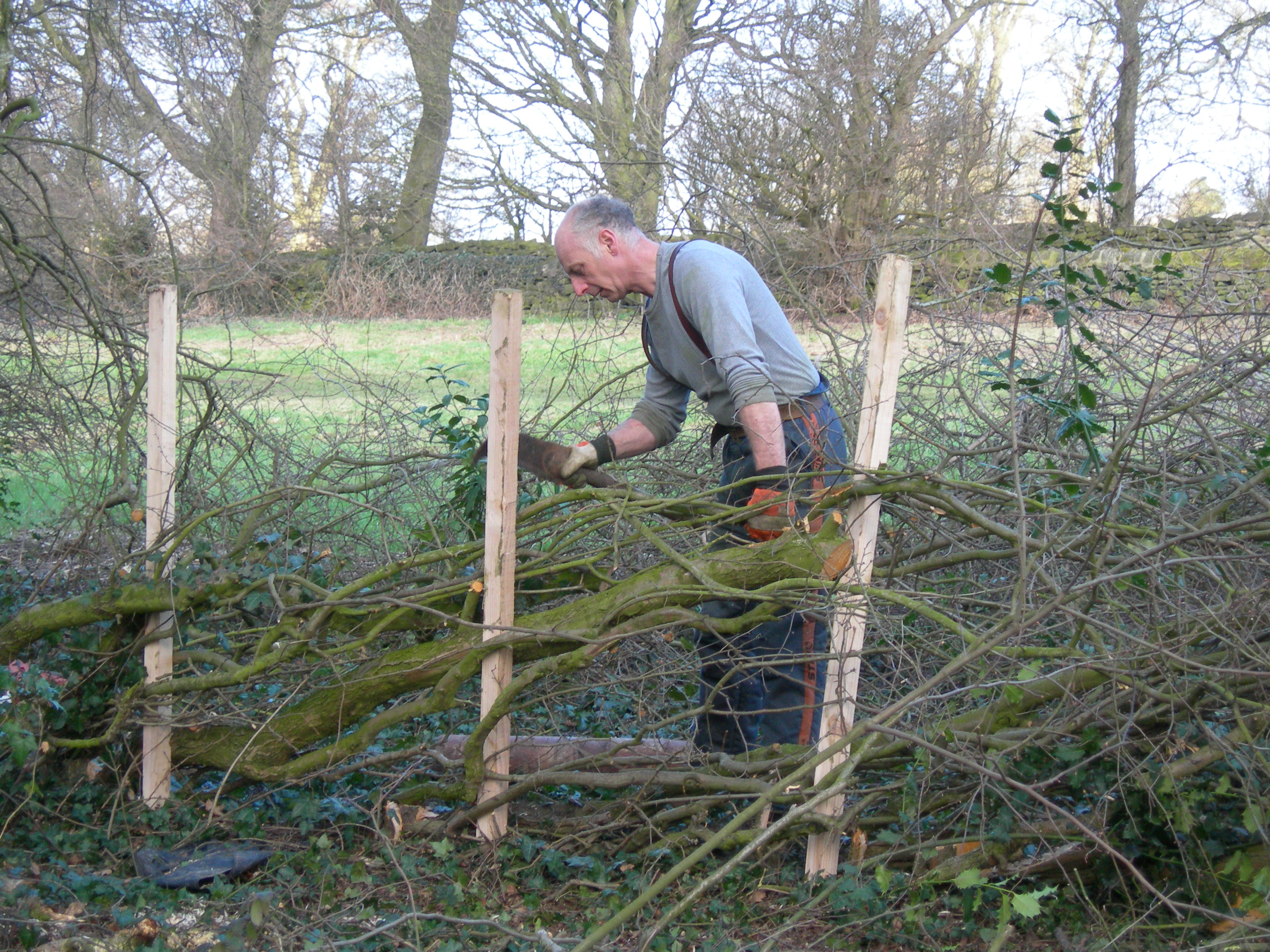
Tradational Craftsman Peter Coates Creating a Yorkshire Style Hedge

Peter Coates has started laying the copse hedges this week – Yorkshire Style.   Hedge laying is a traditional method of hedge management that dates back to pre-Roman times; there are different styles for different areas of the country, depending on the type of farming.  Laying is mostly used when hedges have become overblown – as is the case with the Park’s – although a hedge can become so bad that not even hedge laying will bring it back.  Fortunately, these hedges have not quite got to that stage – although the situation was close.

To recreate a viable, health, hedge the tall stems are cut almost through at the base, and then laid over at an angle of around 35 degrees: the cut stems, called pleachers, are tucked Continue reading

Attention Turns to Wood

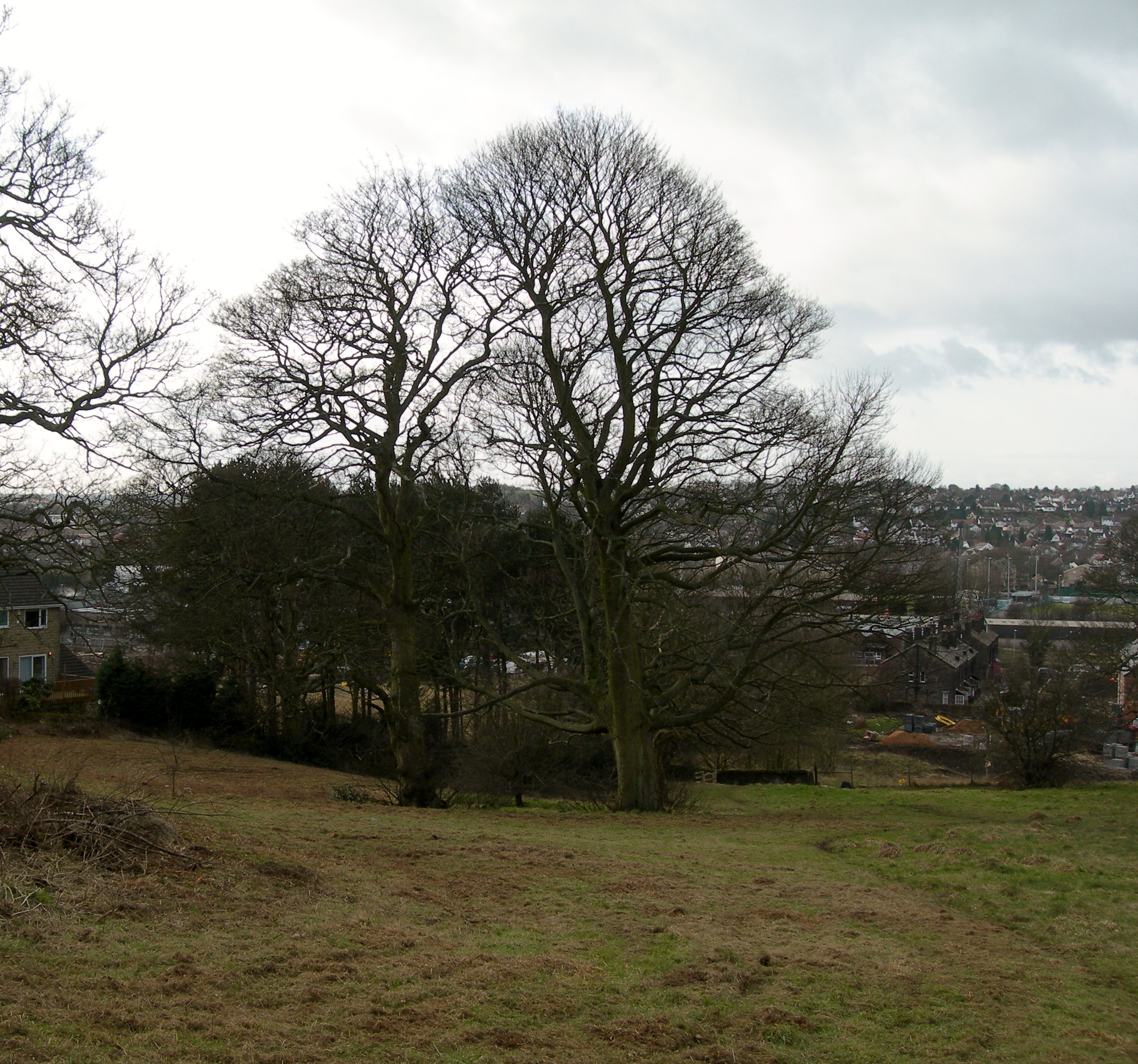
Sycamore Trees on Clapper Brow , About 150years Old

Around 1861, when the American Civil War was raging,  Prince Albert was breathing his last, and Mrs Beeton was publishing her cookery book, someone in Guiseley, planted, these magnificent sycamore trees.  It is said that to “plant a tree is to give body and life to one’s dreams of a better world” (Russell Page).  Well,  it is a matter of opinion if the world is better, or not, in 2012; but it is now our turn to look after these trees for future generations.  Fortunately,  they are all healthy and just need dead wood removing.   Around this area in the summer,  we are also hoping to run a project to establish a wild flower meadow for the Queen’s Jubilee as part of an RHS programme;  but more of that later, when we have got permission from Bellway. Continue reading

Secret History

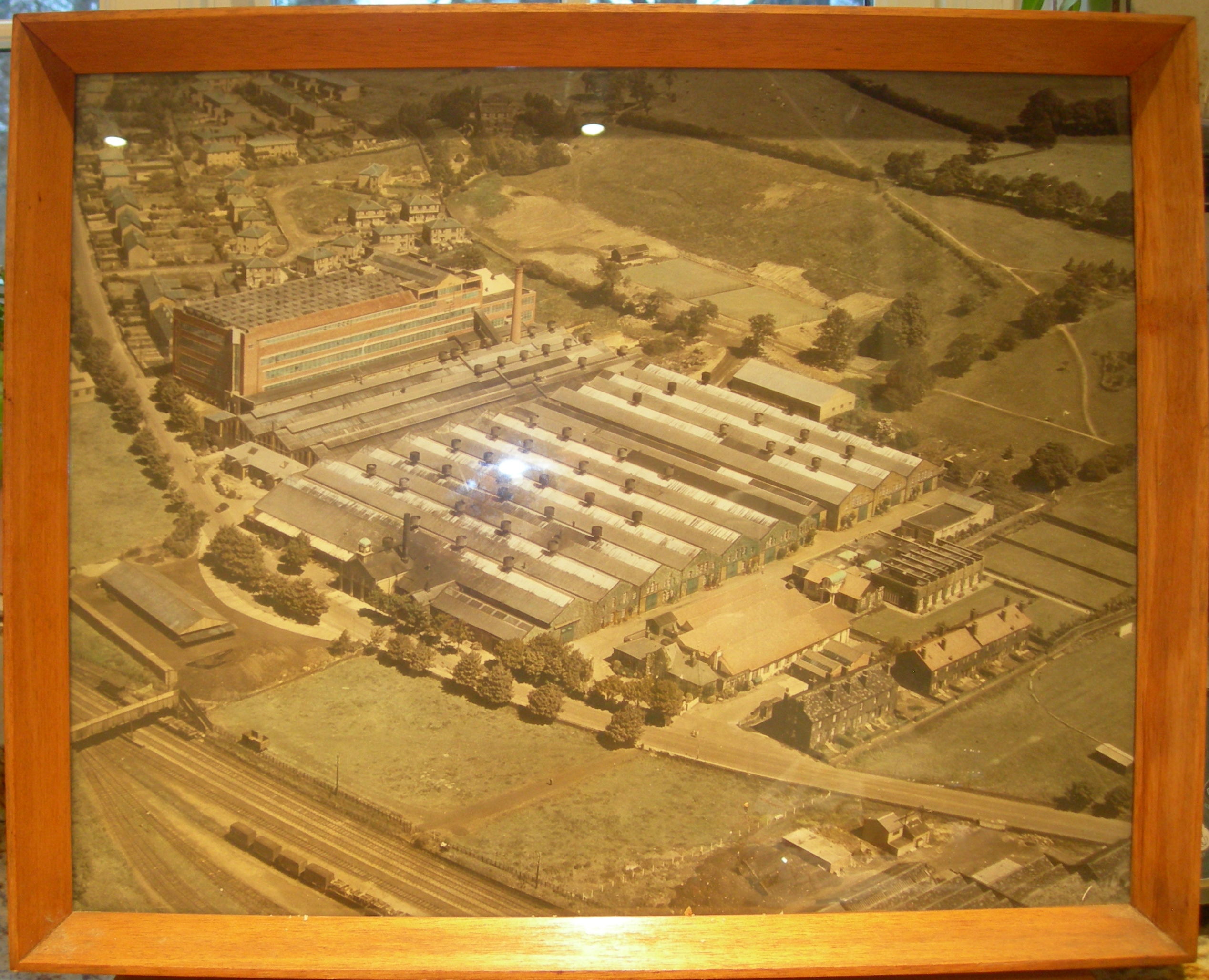
Crompton Parkinson's early 1950's (Source: John Moore)

John Moore, who used to look after Parkinson’s Park for Crompton Parkinson, called to see his old stamping ground today to explain some things that have puzzled us.  He brought a picture dating back to the early 1950’s, showing a Hillside entrance we did not know about,  the old tennis pavillion repleat with cesspit,  and, we can just make out a little more of the frustrating ‘sheepfold’ entrance which was also called “old man’s corner” because of the seats in it.

The line of trees shown going up to the copse  is something we want to highlight a little more in the wooded area.  And, John confirmed, that when the car park was built Aireborough Council did asked for more trees to be planted in that area. Continue reading

Park Features To Be Registered as Historic Environment Records

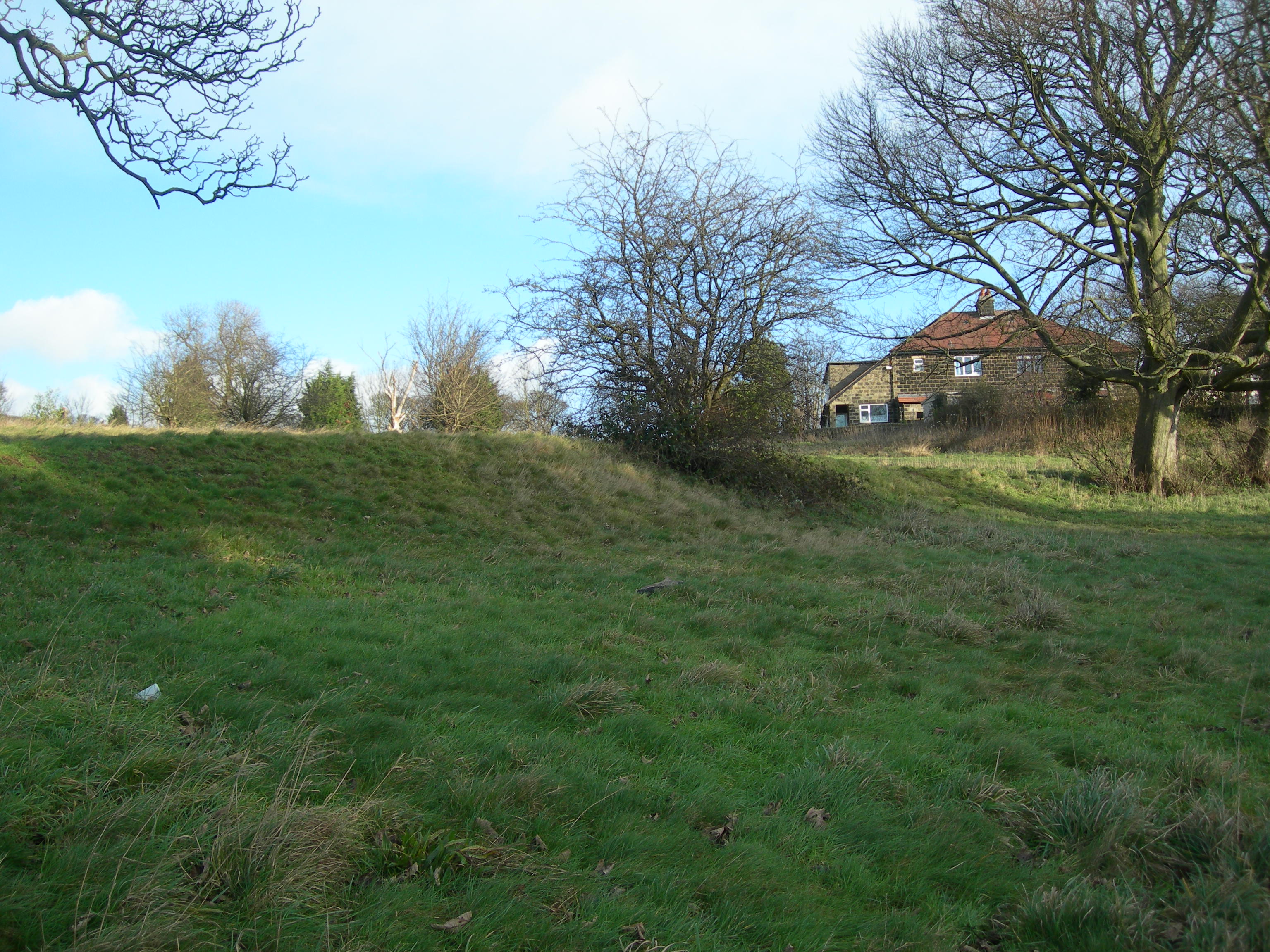
The bank is a potential rabbit warren earthwork

Good news to start 2012.   The West Yorkshire Archaeology Advisory Service has told us that they will be registering both the milk churn stand, and Clapper Brow with historical environment records (HER monument records).

Because of the name, the lie of the land, the soil, and historic ownership in the vicinity, we believe that parts of Clapper Brow may be an ancient rabbit warren.   Clapper is a term meaning ‘rabbit’, and the field has three diagonal earthworks that could well have been deliberately made for the farming of our little furry friends. Continue reading

Appeal – Can You Remember Way Back When?

Discussing the sheepfold entrance

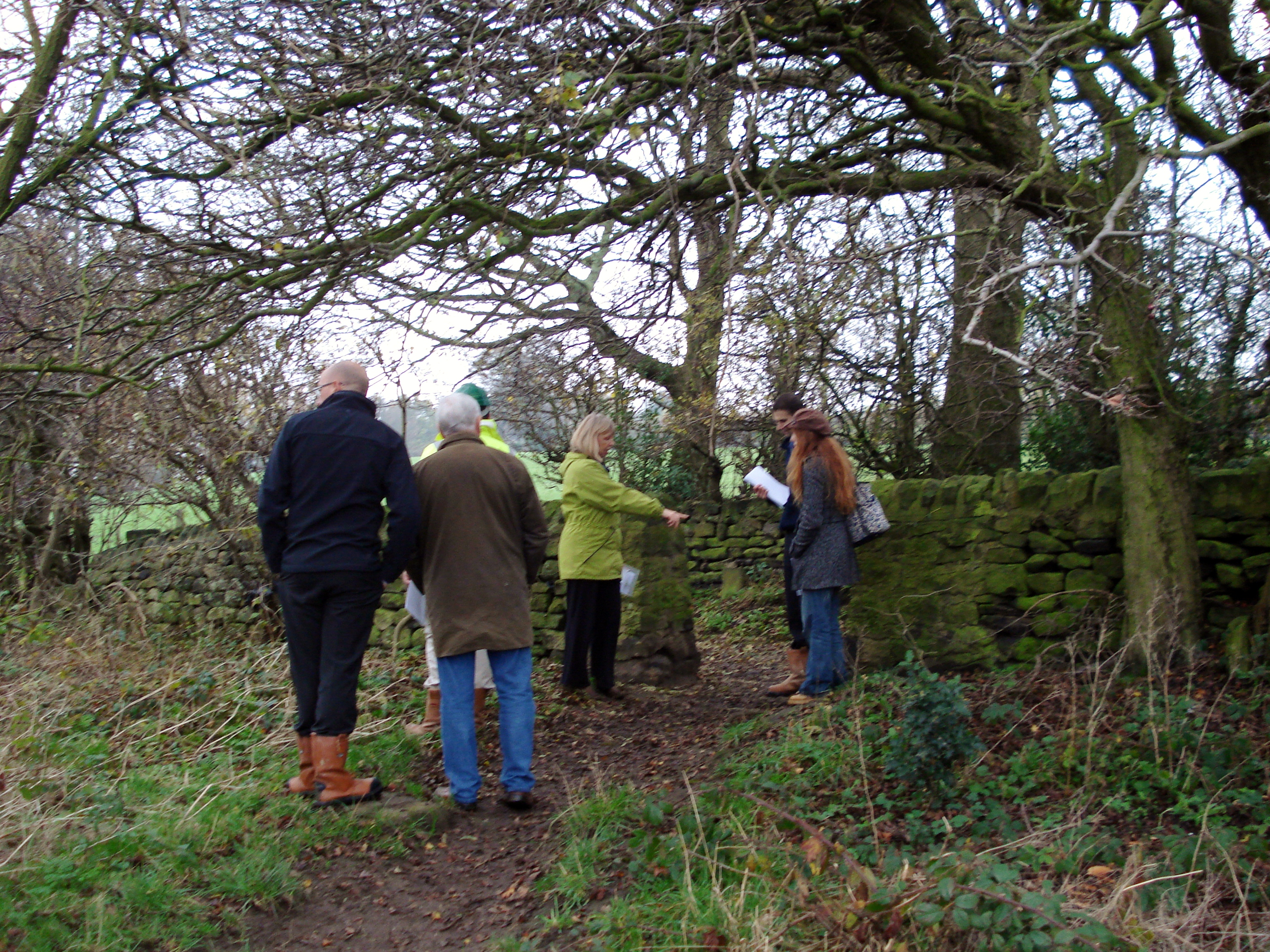
At the top of the Park is an area we have called the ‘sheepfold’ entrance (although, in truth, waller Martyn Hornsby-Smith tells us the walls are probably too low for that).  On old maps it looks like a triangular walled area, and some of us old enough to remember, vaguely recall such a structure with a stile, and a seat that looked west.   We don’t know what this area was, and we don’t know exactly how it looked.  The walls have disappeared, and all that remains is the sides of the stile, lying in the path (providing a stand for Bellway’s Simon Uttley in the picture.  Councillor Graham Latty is standing in the gap of the old stile).   So, we are putting out an appeal for anyone who remembers what the area looked like:  do you have a picture, a map, or could you do a rough drawing.  Most of all,  does anyone know what it was used for – was it an animal fold, or maybe a turning circle for carts, or even something to do with the drainage that cross the Park around this point.  As the churn stand, and an interesting set of stone gateposts are also in the area, we’d like to restore this feature,  but need more information to do it properly .

What Are The Plans?

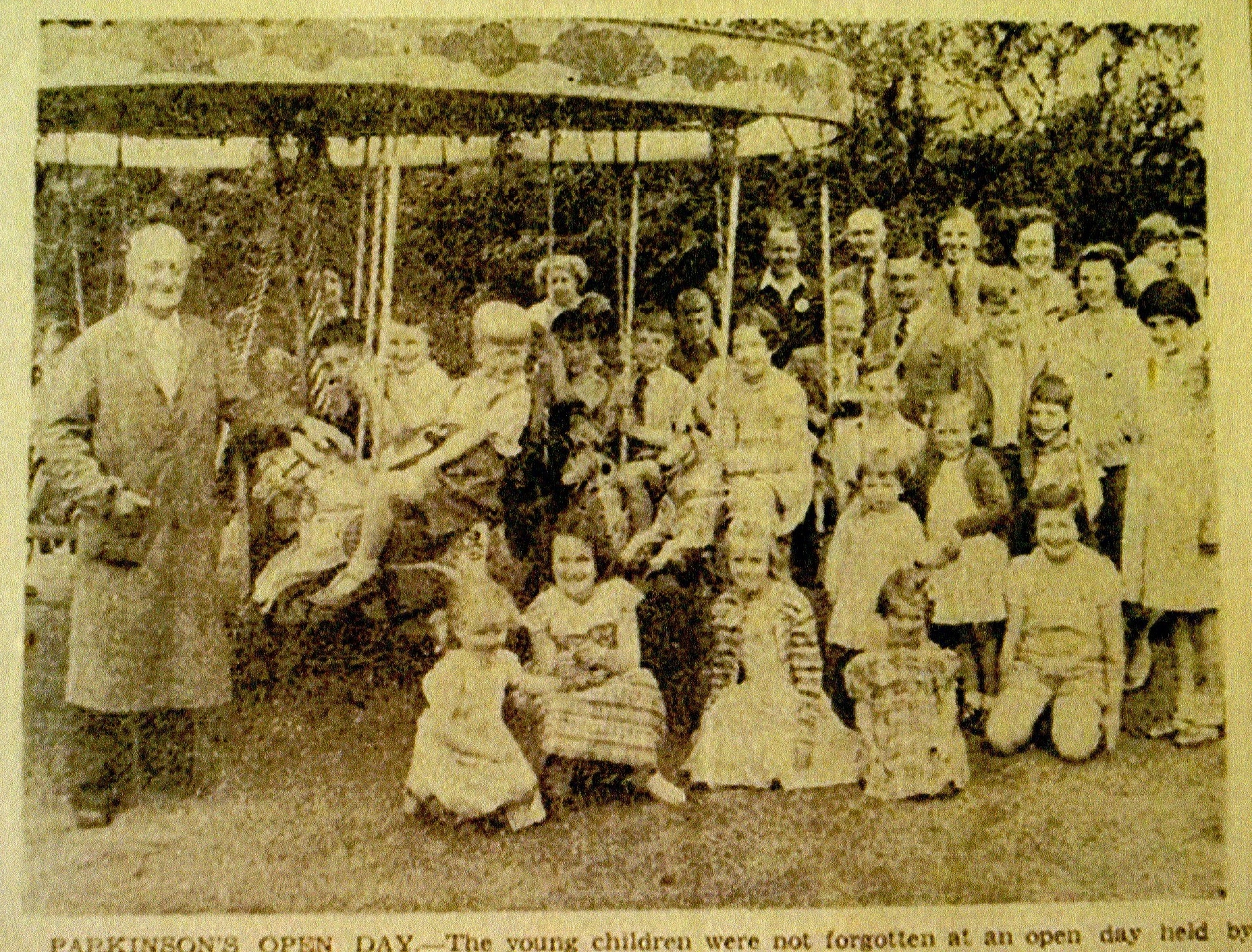
1956 - A Parkinson's Open Day in the Park. Source: Wharfedale Observer 29/6/1956

What are the plans for the Park?  A fair question, put by Sheila Sykes and Brian Richardson yesterday.   The Friends of Parkinson’s Park (FOPP) want to regenerate the Park as a 21st century asset, to an expanding Guiseley very short on green spaces and good sized gardens.  The Park was originally given for the use of ‘the people of Guiseley’ by F & A Parkinson Ltd in the 1940’s: very possibly because Guiseley Recreation Ground, had been built on after the First World War.  Officially, the land in 2011 is designated public green space: however, it is owned by Bellway.  Bellway, through their 106 agreement, have provided a budget, and contractors for initial phases of regeneration. Continue reading