Is it spring yet?

Have you noticed that the days are getting slowly but steadily longer? Have you managed to drag yourself out of the house into the muddy, windswept and bitterly cold outdoors long enough to spot the first signs of life such as the intrepid snowdrop? If you have poked your head out from beneath your cosy parka hood long enough you will have been rewarded by the first signs of life around you.

The park may look a little muddy and windswept at first glance with very little to get excited about, but on closer inspection, you will notice that things are beginning to awaken, if you look hard enough.
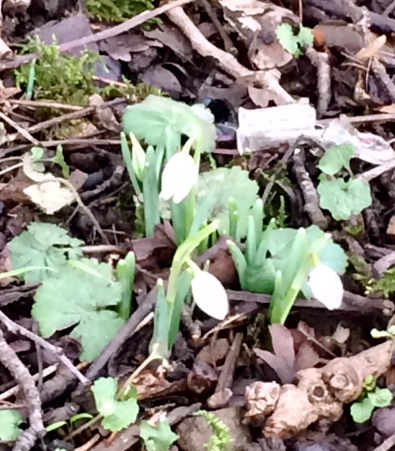
photo-6

Snowdrops budding near the sheep fold entrance

It is with the expectation of springtime, daffodils and birdsong, apple pies and butterflies, that I invite you to join the friends as we embark on another project to enhance the little patch of land that we call Parkinson’s park. A popular suggestion by the friends has been the planting of a traditional orchard. Once common, they are now under serious threat and many varieties of fruit are becoming endangered. They are now listed as a Priority Habitat under the UK Biodiversity Action Plan. As well as the loss of fruit varieties there is also the wildlife associated with the traditional orchard which needs protecting from funghi and lichen to invertebrates, mammals and birds. Continue reading
More Jubilee Trees To Be Planted This Saturday – 1st December

Tree Planting on Jubilee Walk


Due to the recent hard frosts this event will be re-arranged for a future date/time.

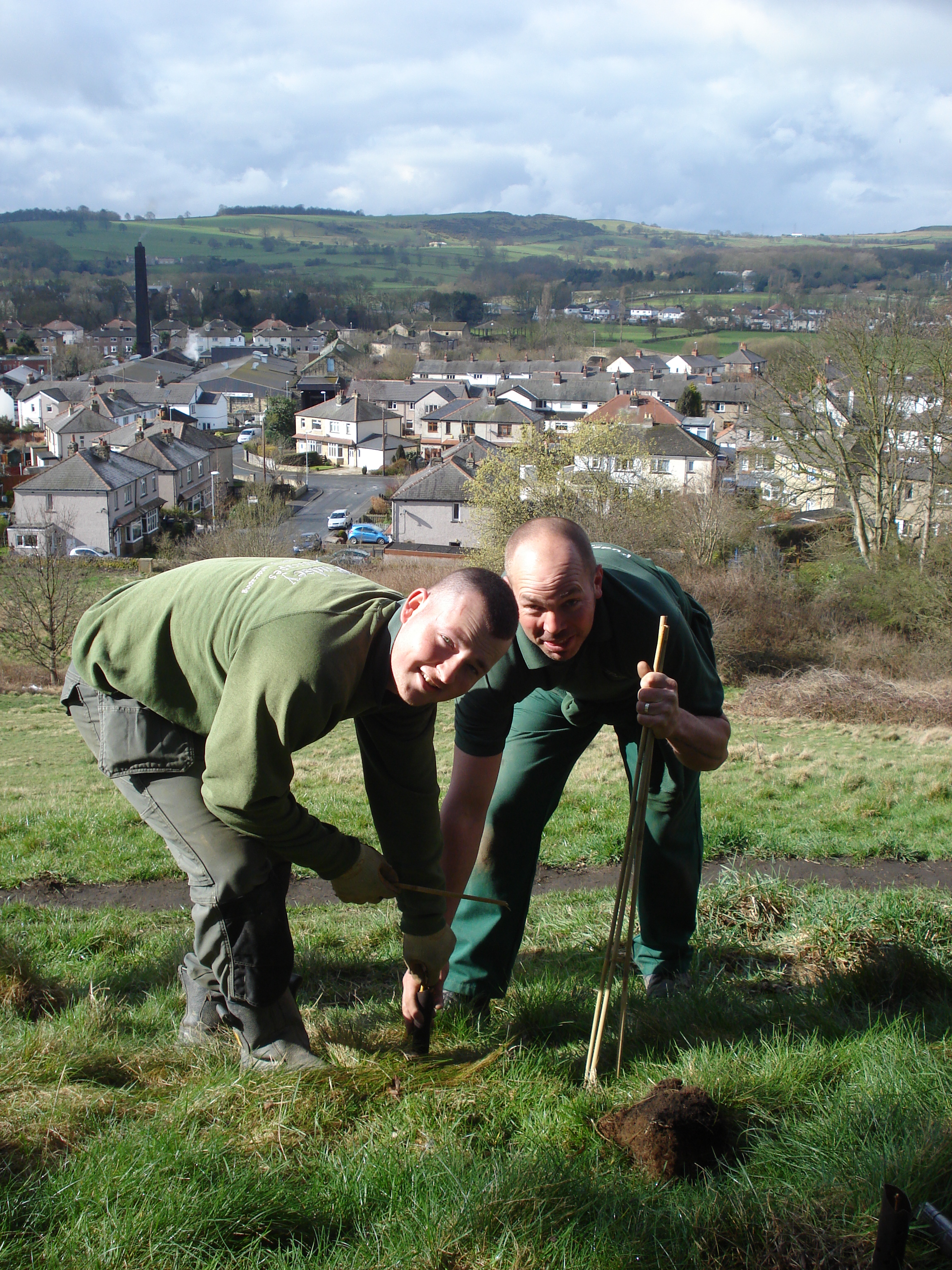
We are very pleased to say that Darren Shepherd has been given 400 more native trees from the Woodland Trust to boost the planting we did in the Spring,  on Jubilee walk.

We’ll be planting them this weekend coming (Saturday 1st December), so, if  you’d like to come and help with the planting of blackthorn, hazel, wild roses and cherries, all of which will be good for our birdlife,  then meet Darren at 10.30am by the Sheepfold Entrance Bench.  Bring a spade, as the trees will be slit planted,  and don’t forget sturdy boots to overcome the muddy conditions on the paths at the moment.

Bird Watch – Wonderful Warbling by Darren Shepherd

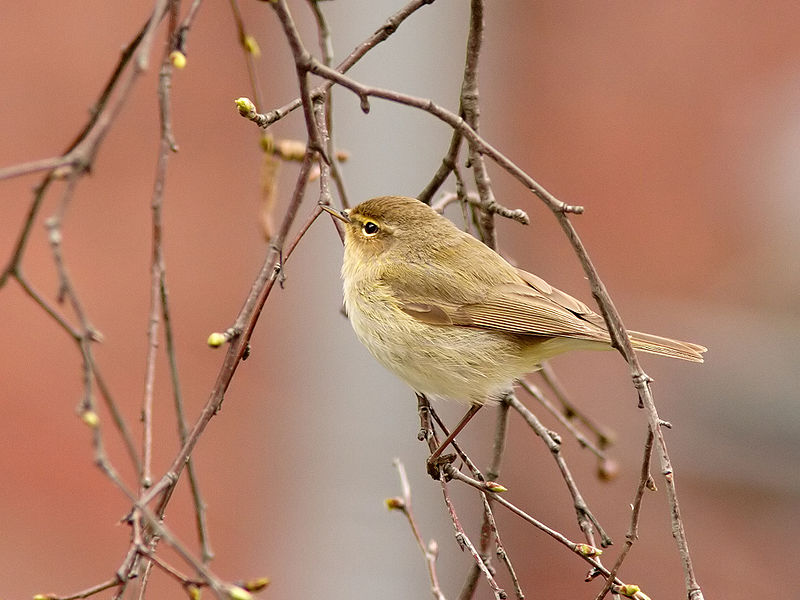
Chiffchaff (phylloscopus collybita). (Source: Image by א (Aleph), http://commons.wikimedia.org)

Well, I’m back from my foreign travels (well, Brighton actually) and it seems I’ve been followed !!

With the window open this morning, I awoke to the wonderful sound of the “chiffchaff” (phylloscopus collybita),  a delightful little warbler that spends our winters on”holiday”in the Mediterranean and south west Africa.  This little bird has flown all that way back and found Parkinson’s Park much to its liking, to re-fuel and build its body weight back up to its pre migration weight.  The bird may just be passing through to its breeding grounds further north, or,  it may have hatched from its egg in the Park in previous years, and be a male singing to establish a territory and attract a mate.  Amazing stuff !!

The next one to arrive in a week or so will be the “willow warbler”(phylloscopus trochilus), closely followed by the “blackcap” the king of the singers.  Can’t wait !!!

The Birds, the Bees and Our Jubilee Trees – Darren Shepherd

Liz, Ben and Freddie Lawson, digging the new 'supermarket' foundations

A great day yesterday, planting out our new trees, to create a field edge scrubland habitat for the birds and wildlife of Parkinson’s Park.  All the trees we planted are native British trees which provide food and shelter for our disappearing wildlife.  We planted hazel (nuts and catkins), elder (berries and flowers), blackthorn (flowers and sloe berries), dog rose (flowers and rose hips), and crab apple (flowers and fruit): a brilliant mix to diversify the habitat at the top of Great Brow, and complement the existing old, tall, hawthorn hedge.

Once grown, the new scrub area will benefit both resident and summer migrant birds by increasing the natural food harvest.  It will also provide shelter for willow warblers, chiffchaffs, blackcaps and garden warblers who breed and migrate through this area in large numbers in spring.

The tree-tits and goldcrests will love this improvement, Continue reading

Bird Watching in the Park

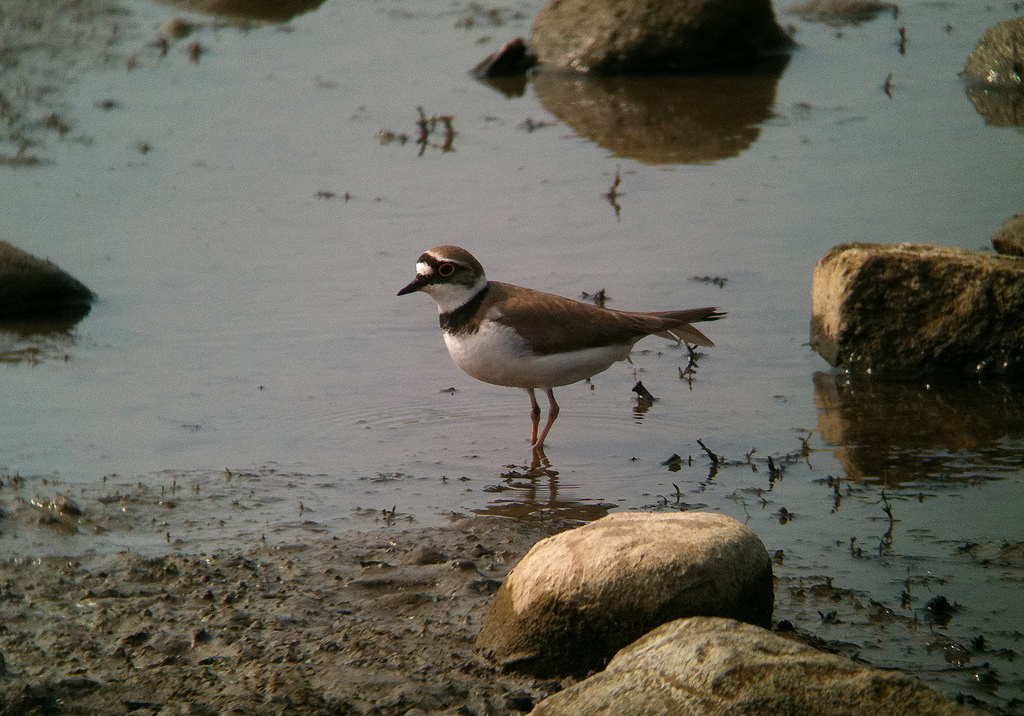
Little Ringed Plover - (Source, Steve Leo Evans, Flickr)

Darren Shepherd of Nethercliffe Road, is a keen ornithologist, and has left this fascinating comment on the ecology page, which deserves greater prominence.

“I would like to add a few more birds to the list of those seen in the Park. The rarest of the bunch, in the past few years, has been the successful breeding of Little Ringed Plover on the building site.”  This is a wading bird, that likes gravel pits and river shingle beds.  “Another wading bird that I suspect has bred in the area is the Oystercatcher” a bird that is regularly found on the coast but has started to move inland.  “Another regular bird is the Redshank“, which likes damp habitats such as salt marshes and flood meadows.  The sightings of these birds would link in perfectly with the fact that the lower slope of Clapper Brow and Great Brow have many natural springs, and the land is quite boggy – the Kel of Kelcliffe, means spring.  When Crompton Parkinsons were in residence they controlled this water flow as best they could, but over the years nature has reasserted itself. Continue reading