Oak Canopy & Logs – Questions

Dead wood cut from the oak trees

The tree work has generated many questions.

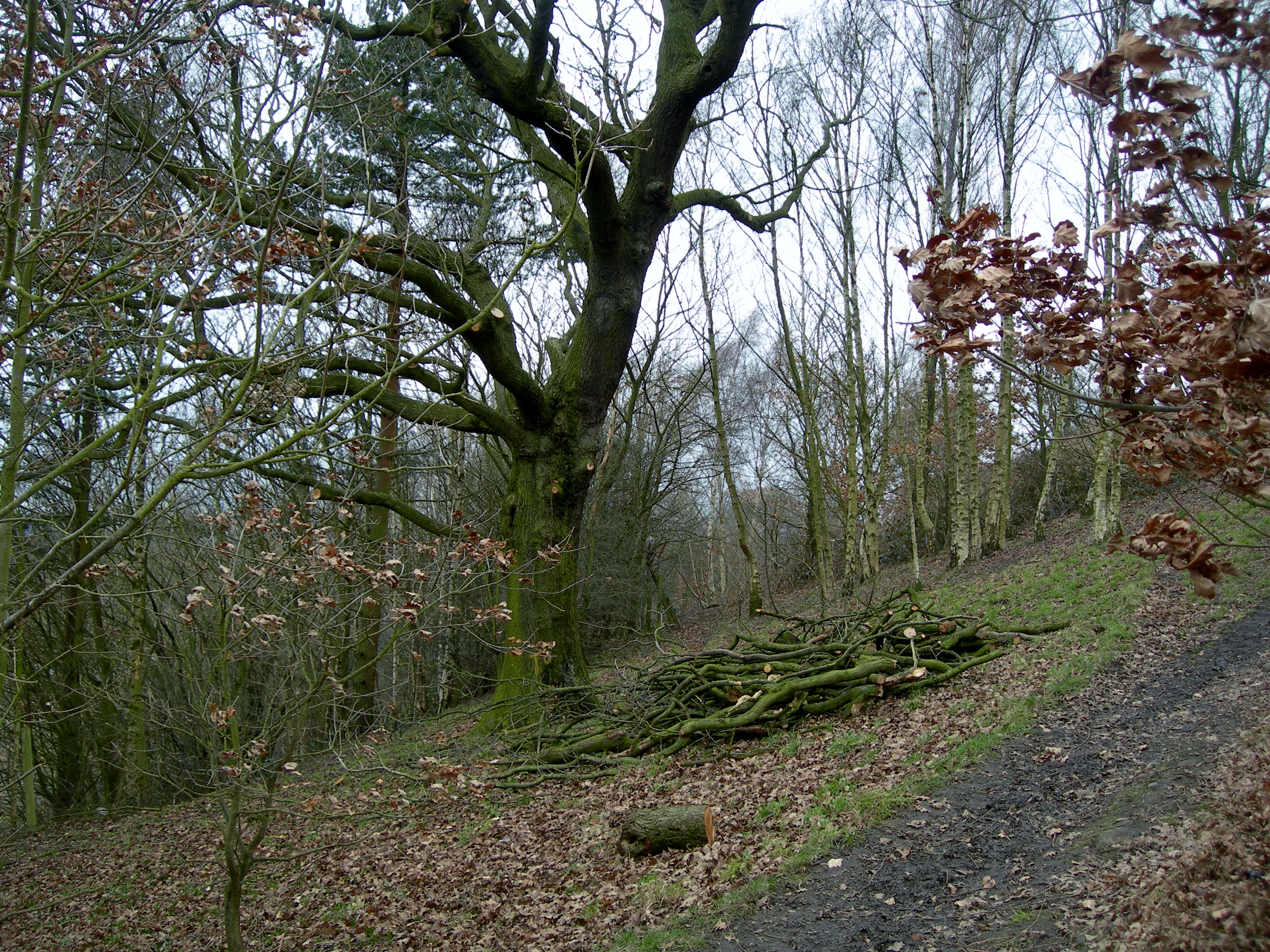
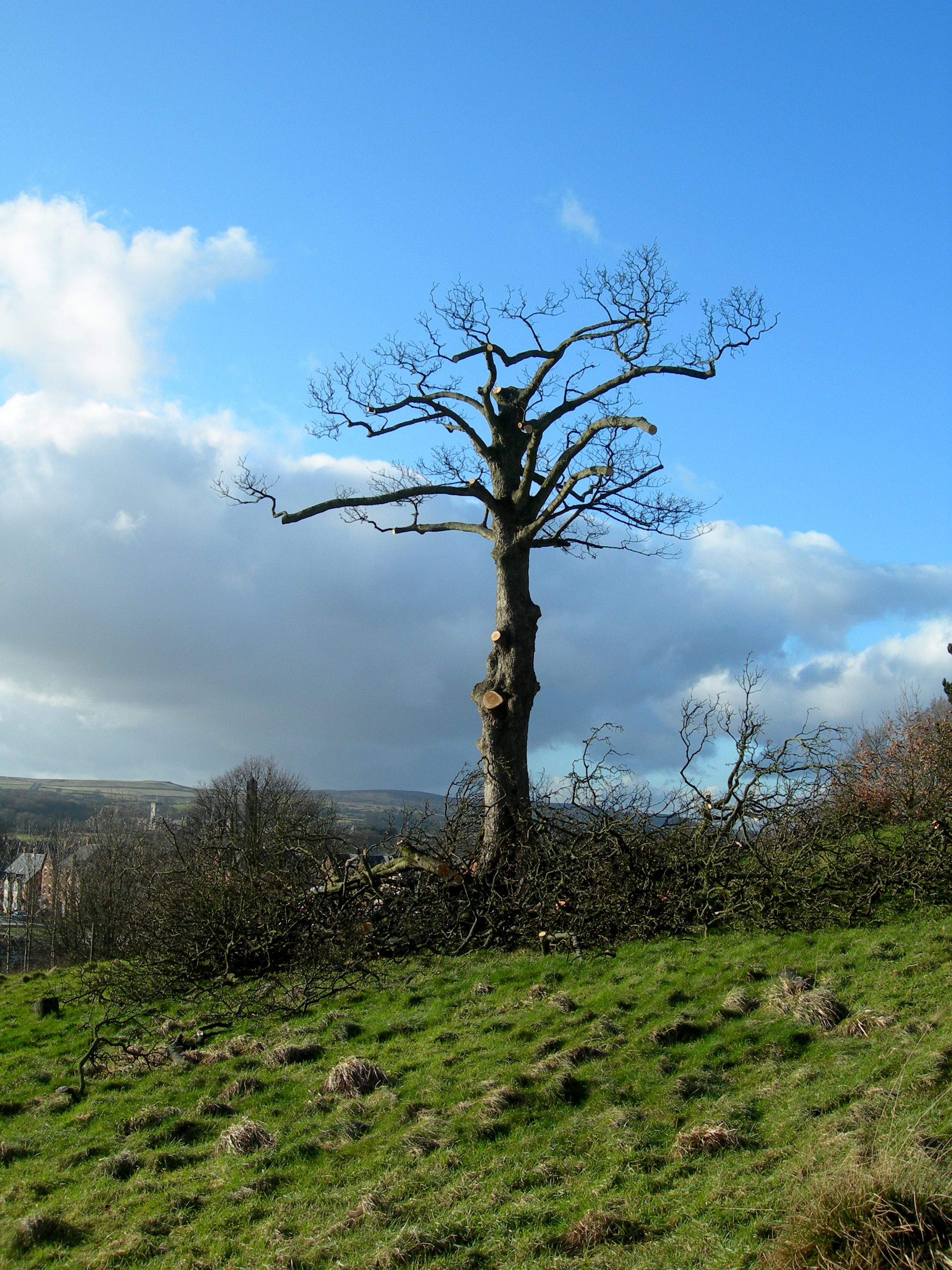
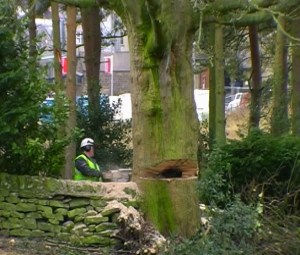
One recent one is ‘why the oak tree canopy has been cut back, as it was lovely to walk under?’  Answer – It is dead wood that has been cut out of the trees.   If left these 100 year old oak trees would deteriorate, and there are signs that the neglect of the past 10 years has started that process.  By cutting out the dead wood the trees will hopefully put on new growth and last another 100 years.  In addition,  dead wood, wind and a path do not make for a safe environment in a world where ‘ambulance chasing’ is rife. Continue reading

RIP Sycamore

Seconds to go

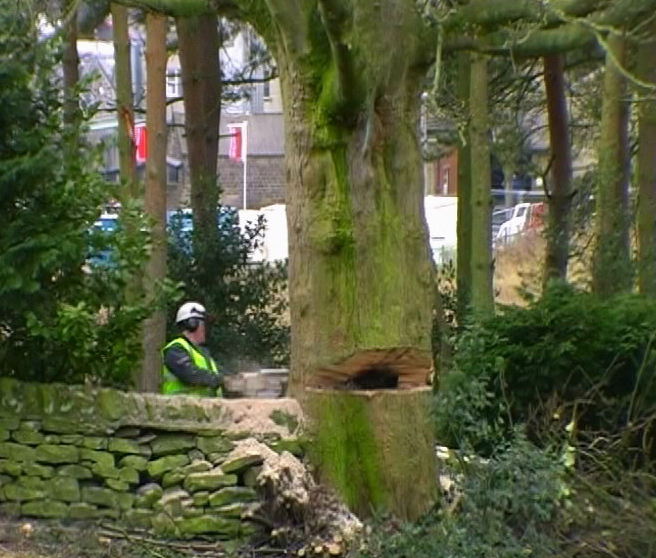
At around 9.40am this morning,  a piercing ‘crack, crack’ echoed across Clapper Brow,  quickly followed by the shout of FALL from Paul Elbourne, of Beechfield Tree Services; then, the sycamore on the edge of the park gracefully fell over; small branches and twigs exploding in all directions like a bursting firework.   Luckily, David Myers, FOPP’s intrepid film maker, was there to capture the moment for posterity.

It was unfortunate that the sycamore had to be felled, but, it has rotted from the base.  This had allowed squirrels to burrow inside to make a nice cosy ‘executive home’.   The result was a core of black rotting wood and soil (as can be seen in the picture)  with a circle of only around 4 inches of good wood left holding the tree up: threatening Steve Salt’s house.

Paul was extremely pleased with the delicate operation and the lack of damage to the surrounding area, whilst David compared it to a Fred Dibnah ‘extravaganza’  (David knew Fred).

The tree may have ended its growing phase of life, but it will not be leaving the Park.  The trunk will be moved to a safe area nearby so that it can become a ‘housing estate’ for wildlife and insects and a part of the ever turning circle of life.   The smaller branches will be made into woodchip,  and used around the Park.

Taming the Copse

Daylight is let into the copse to encourage scrub and healthy trees

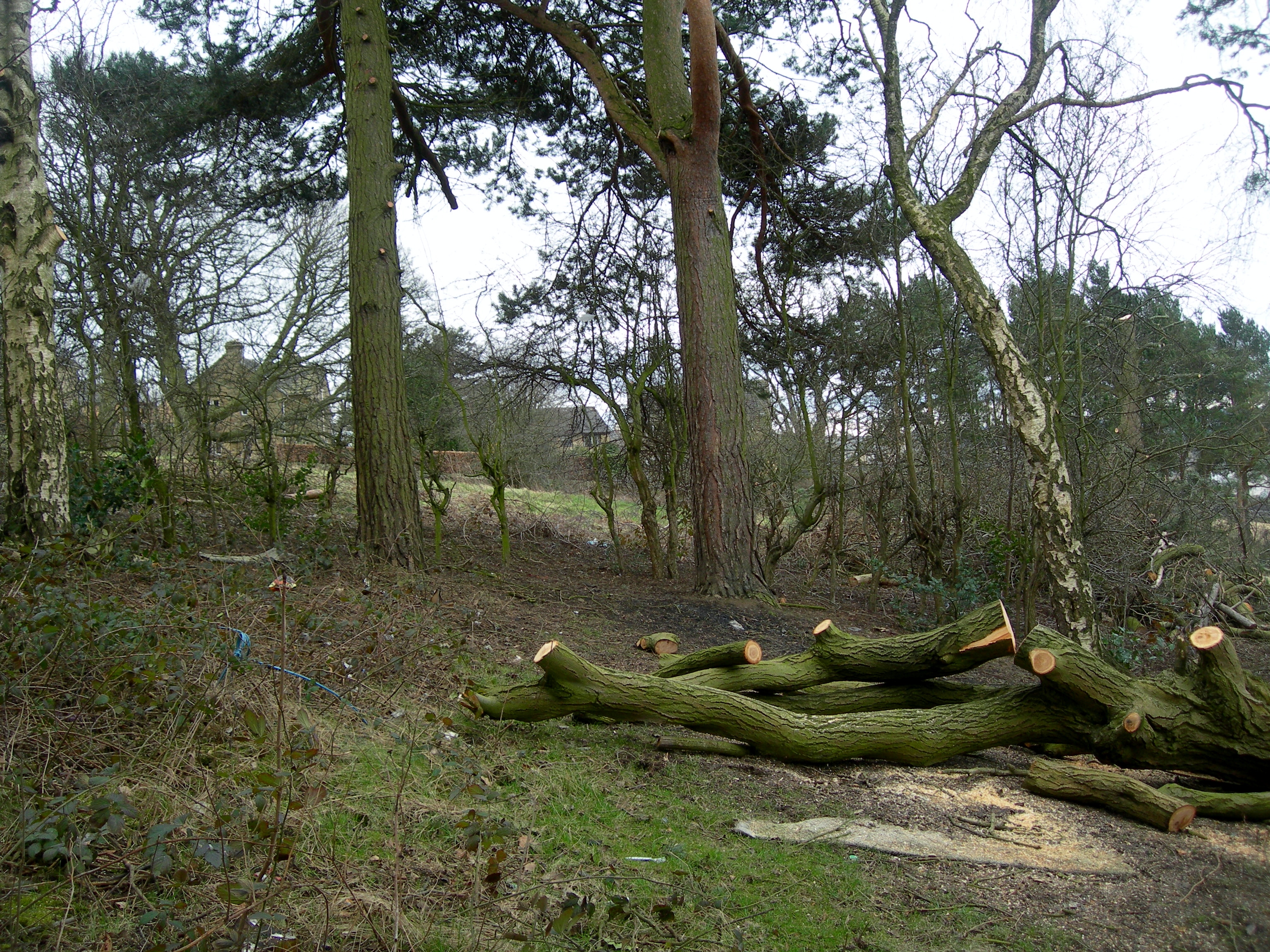
We know, from all the feedback we have received,  that the ‘taming’ of the two copses in the Park has been a priority with a lot of people.  The main reason being their use as a ‘drugs den’ (both plastic packets and needles have been found in quantities)  and the associated  accumulation of unsightly rubbish and bottles – a danger to both children playing in the Park and dogs.  The situation got so bad, that ‘vigilante’ groups threatened to chop the hawthorn down themselves.   So,  the sight of the thicket coming back under management between now and April will be a welcome sight for many.

The idea is to lay the hedges Yorkshire style and thin out the wood in the middle so that light floods back in, thereby encouraging brambles and scrub to flourish and provide a quiet, undisturbed habitat for wildlife; including the nesting birds.  A lighter, airier atmosphere will also help preserve and strengthen the pine trees and silver birch in both areas.

Oooo; That Looks Brutal

Managing the Decline of a Sycamore

Unfortunately several trees in the Park,  mostly the horse chestnuts,  are dying.   Instead of felling them,  it has been decided to ‘manage the decline’, and carry out a form of pollarding.   By taking out a lot of the head and lower branches,  the tree will be less likely to be blown over in a high wind – as happened in the recent gales with some of the nearby conifers.   Secondly,  children will not be able to swing on the lower branches, thus endangering themselves and the tree.   The tree may well also put on some new growth.

We will have to fell one of the large sycamores in the wall of the Park, as it is dangerous, and in danger of falling on a nearby house.

Bird Watch – Winter Visitors by Darren Shepherd

Goldcrest - (source John Smith, Halstead & District Photographic Society)

Bird life in the Park this January has been quiet, although there are still a few birds about, including some winter visitors from Scandinavia and Russia. The commonest of these visitors is the redwing (turdus iliacus),  which can be seen in the Park occasionally; most obviously at night on migration south, when its “stuuf” piping call can be clearly heard.

The second ‘visitor’ is the fieldfare (turdus pilaris) a slightly larger member of the thrush family which has a blueish plumage,  in comparison to our resident mistle thrushes Continue reading

Tree Surgery

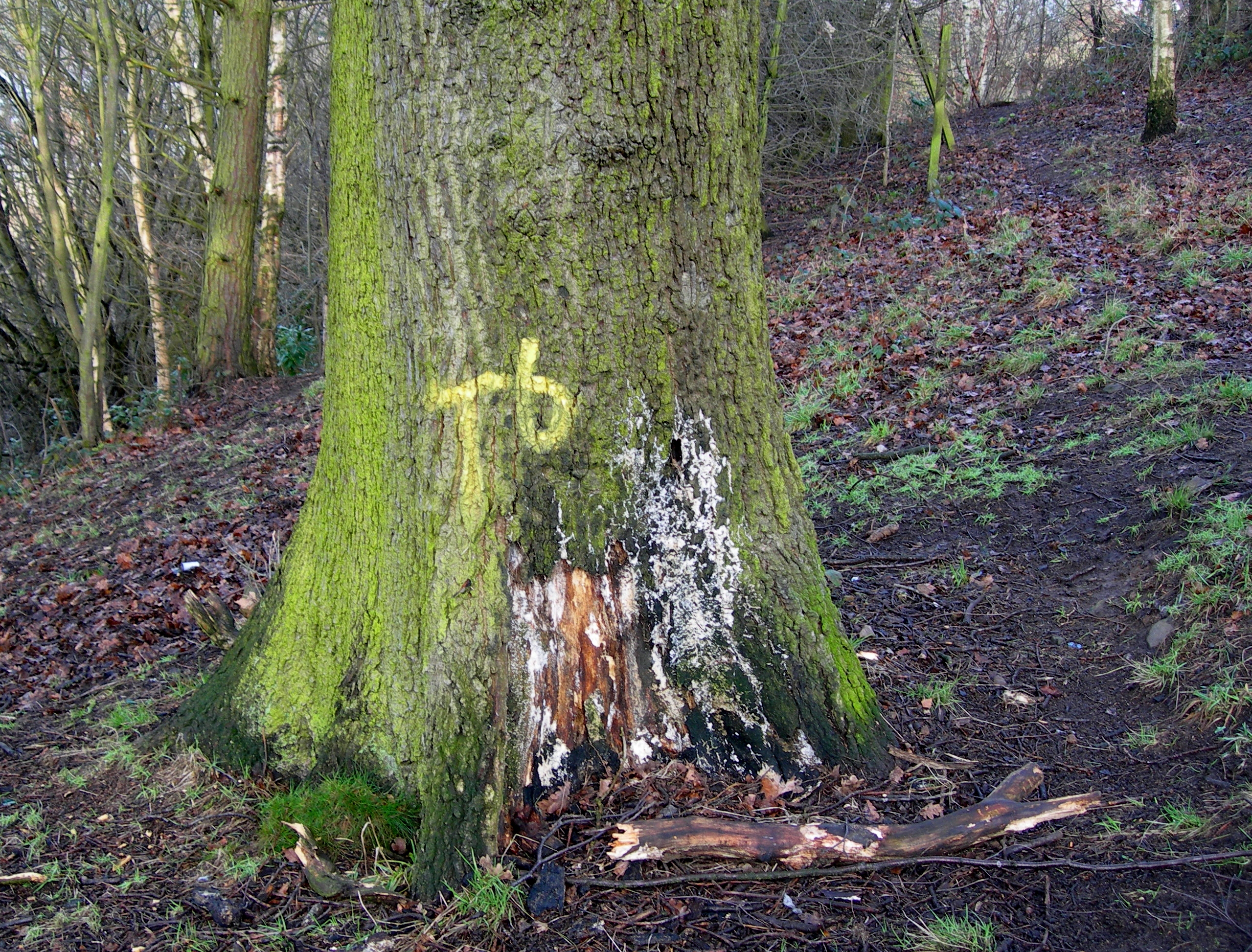
Tree Graffiti - Oak tree marked for removal of dangerous dead branches

Those of you who go to the Park regularly,  will notice some yellow marks have appeared on some trees.  This is not Jamie indulging in a spot of graffiti;  he wasn’t very good at it anyway:  the trees have been marked by an experienced tree surgeon for the removal of diseased and damaged wood,  or branches that need lopping for safety.

It is unfortunate that we seem to have lost a lot of the horse chestnuts in the park to canker,  as well as an apple tree.  However,  the death of the trees will be managed, and whilst they are not a danger the tree trunks will be left in place to provide a habitat for bats, woodpeckers and insects.   A Continue reading

Bird Watch – Pink Foot in the Park, by Darren Shepherd

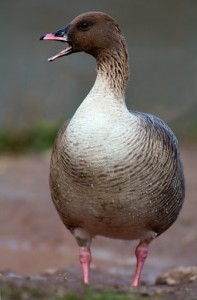
Pink Footed Goose (Source: Annimal Spot)

Darren reports that yesterday, Thursday 12th January,  around 3pm, a skein of about 80 Pinkfeet geese flew over the Park, heading  north northwest.    The same birds were then seen at Barden Scale, Bolton Abbey at about 3.30pm.

The pink-footed goose (Anser Brachyrhynchus), does not breed in the UK, but over-winters here in places like Norfolk and Lancashire,  before returning ‘home’ to Spitzbergen, Iceland and Greenland.  Darren’s conclusions are that Parkinson’s Park appears to be on a migration flyway.  So, expect more wonderful V formations in the coming months.

Bird Watch – Calling Curlews, by Darren Shepherd

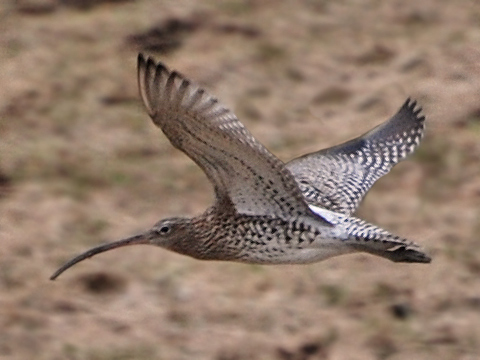
Curlew Flying - (Source: Scotlandincolour.com)

Night and day, the wildlife and birds of the Park live their lives and have their ‘adventures’, and it is worthwhile taking time to slowdown to their pace and just observe.

Today, 9th January, a red kite, with no wing tags, circled overhead.  Many kites have wing tags of different colours,  the left wing gives the place they fledged, and the right the year.   As ours has no tags,  they have either fallen off, or, it is wild.  The kite seems to be in the park regularly now, although, as today, it is frequently harassed by one of the local crows – these Continue reading

Bird Watching in the Park

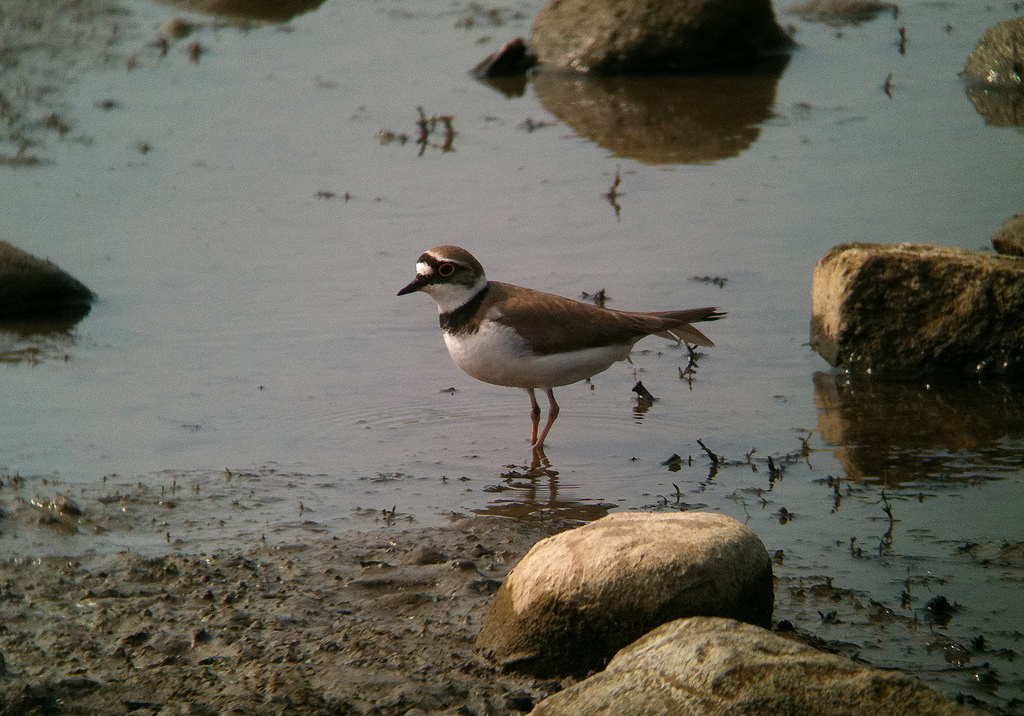
Little Ringed Plover - (Source, Steve Leo Evans, Flickr)

Darren Shepherd of Nethercliffe Road, is a keen ornithologist, and has left this fascinating comment on the ecology page, which deserves greater prominence.

“I would like to add a few more birds to the list of those seen in the Park. The rarest of the bunch, in the past few years, has been the successful breeding of Little Ringed Plover on the building site.”  This is a wading bird, that likes gravel pits and river shingle beds.  “Another wading bird that I suspect has bred in the area is the Oystercatcher” a bird that is regularly found on the coast but has started to move inland.  “Another regular bird is the Redshank“, which likes damp habitats such as salt marshes and flood meadows.  The sightings of these birds would link in perfectly with the fact that the lower slope of Clapper Brow and Great Brow have many natural springs, and the land is quite boggy – the Kel of Kelcliffe, means spring.  When Crompton Parkinsons were in residence they controlled this water flow as best they could, but over the years nature has reasserted itself. Continue reading

The Sounds of Winter

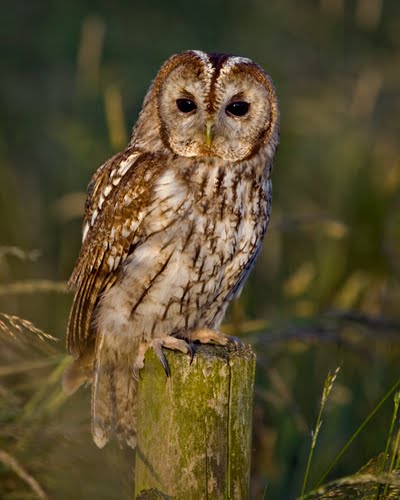
Tawny Owl. Panoramio photo by bluearodynamique

While many species are looking for places to bed down for the winter for some it’s a very busy season.  Many species are looking for a mate at this time of year and a key way of doing this is through vocal communication.  Many of them will be very familiar, such as screaming foxes during the night, which can be quite an eerie sound. Their calls let other foxes know their whereabouts and also ward off competition.

Twit-twoo”

Another common sound at this time of year is the screech of tawny owls.  Despite being a woodland bird, they have adapted to living outside woodland and can be found anywhere there are trees.  This species pair up in the winter and the “twit-twoo” booming out into the dusk Continue reading