St Oswald’s Primary School – History Field Trip

Children standing on one of the early medieval lynchets.

Children standing on one of the early medieval lynchets.

We welcomed 90 children from St Oswalds’s Cof E Primary School today,  who came to hear about the history of the Park.

They heard the stories of what their parents, grandparents and great grandparents might have done in the Park – sledging, hay making, and attending bonfire night  .   Learnt that some of the features are very old; having been made by Angles before the Norman’s came to Britain.  Viewed the landscape carved out by the great glaciers, and heard about the time the Park was a warm sea, south of the equator.

Hearing about the great glaciers

Hearing about the great glaciers

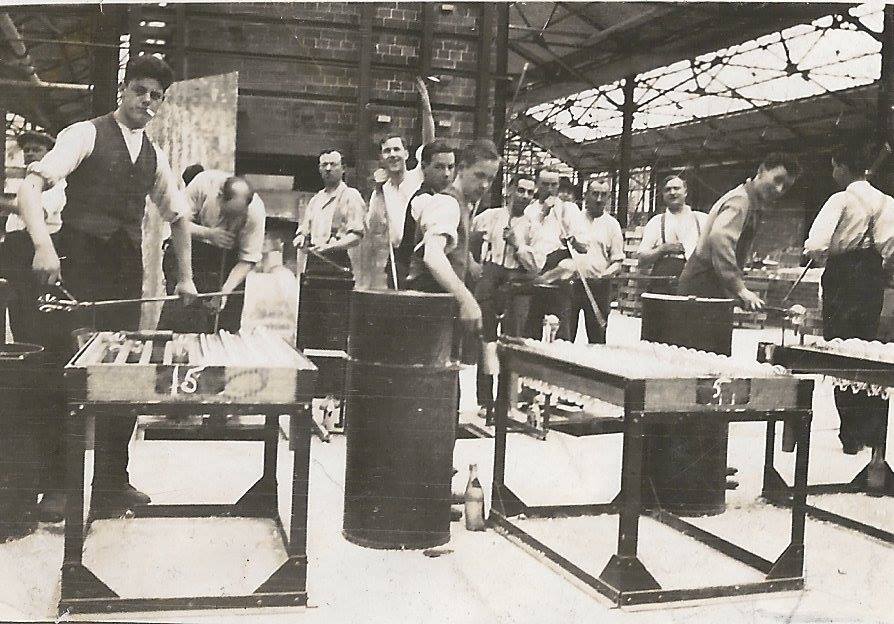
They also heard the story of Frank and Albert Parkinson,  two local boys who built up an important manufacturing business, whilst looking after their staff and giving the Park to local people.

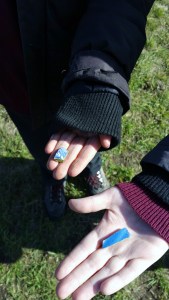
Some of their pottery finds

Some of their pottery finds

The idea that you could find lots of small artefacts around the Park relating to the past particularly caught their imagination, and they spent a good while running around on a treasure hunt – with some success.

We are luck to have been able to explore the history and landscape of the Park via a Heritage Lottery Fund grant, and this year there will be information boards and leaflets to tell the story to all visitors.

SLEDGING IN THE PARK IN THE 1980’S

IMG_0809Parkinson’s Park has always been ideal for sledging – ranging from the easy to the difficult slopes.

Christine King has sent us an interesting historical photo of sledging in the Park in the 1980’s, when the lower slope was less overgrown.   This picture is taken by the side of the bottom copse, and you can see the gardens of Crompton Parkinson laid out,  with Greenshaw Terrace behind.

Another sledging post here, but this time on the steep slope at the other end of the Park.

Bottom Path is Back After A Decade Of Neglect

It seems like forever, that local people have been trying to get the old track along the bottom of the Park restored.  But now, at long last, thanks to Meadfleet,  we at last have a mown path that we can start to regenerate and reconstruct so that it can be used to get from one side of Guiseley to the centre, avoiding busy roads.   The intention is to keep the grass mown as a minimum.

Picture from 1930's clearly shows the path along the bottom of the Park.

Picture from 1930’s clearly shows the path along the bottom of the Park.

Greenshaw terrace entrance

Greenshaw terrace entrance

Continue reading

Is it spring yet?

Have you noticed that the days are getting slowly but steadily longer? Have you managed to drag yourself out of the house into the muddy, windswept and bitterly cold outdoors long enough to spot the first signs of life such as the intrepid snowdrop? If you have poked your head out from beneath your cosy parka hood long enough you will have been rewarded by the first signs of life around you.

The park may look a little muddy and windswept at first glance with very little to get excited about, but on closer inspection, you will notice that things are beginning to awaken, if you look hard enough.

photo-6

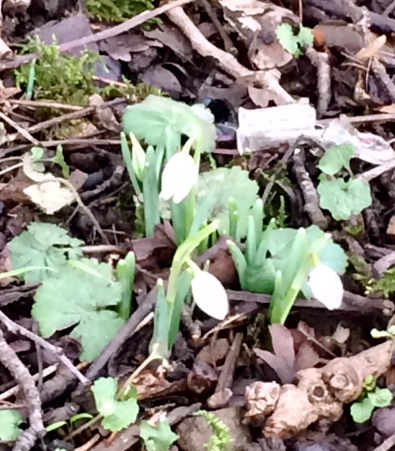
Snowdrops budding near the sheep fold entrance

It is with the expectation of springtime, daffodils and birdsong, apple pies and butterflies, that I invite you to join the friends as we embark on another project to enhance the little patch of land that we call Parkinson’s park. A popular suggestion by the friends has been the planting of a traditional orchard. Once common, they are now under serious threat and many varieties of fruit are becoming endangered. They are now listed as a Priority Habitat under the UK Biodiversity Action Plan. As well as the loss of fruit varieties there is also the wildlife associated with the traditional orchard which needs protecting from funghi and lichen to invertebrates, mammals and birds. Continue reading

1926

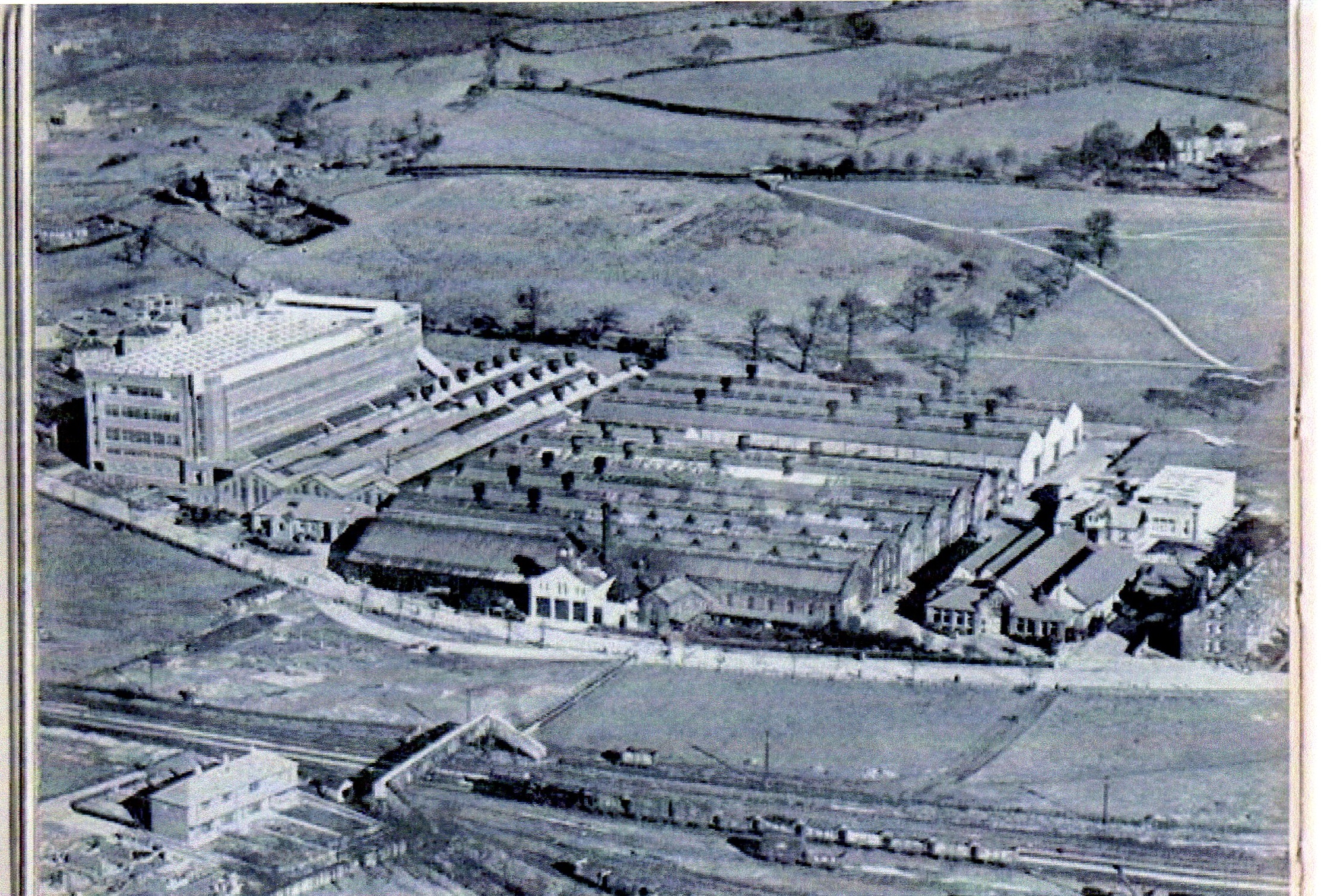
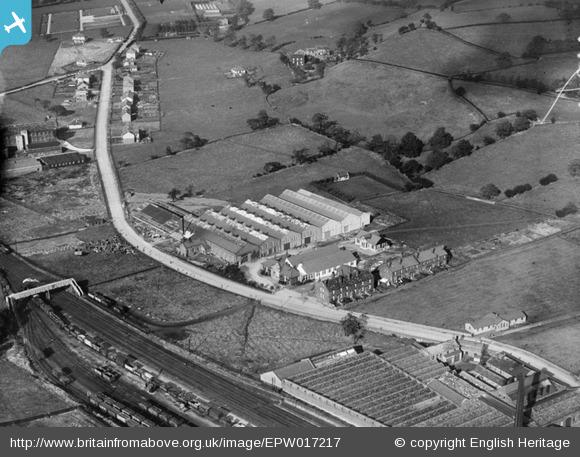
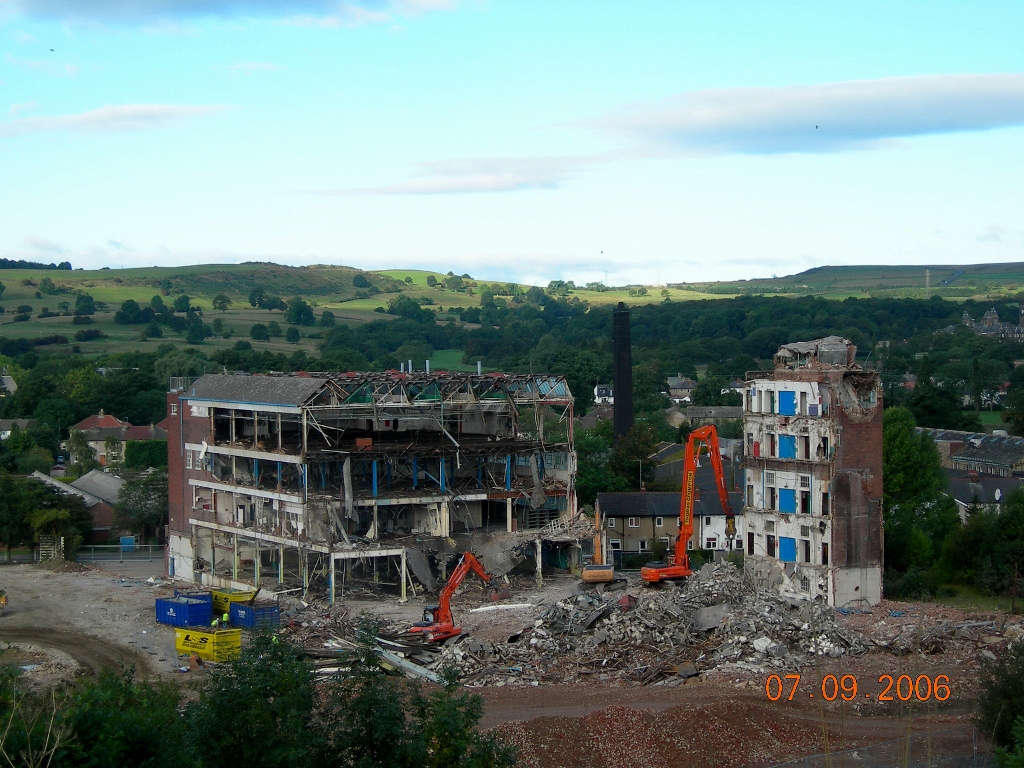
Parkinsons park 1926Graham Hogben has sent us this photo of the fields that became the Park 10 years later in 1937.  The road is Netherfield Road,  newly made up, and the buildings  in the middle are Greenshaw Terrace, with the two F & A Parkinson factories behind.  The following year F & A Parkinson of Guiseley Motor Manufacturers, teamed up with Crompton’s from Essex.  The large lampworks was built in 1932.

The buildings at the bottom of the picture are Moon’s Mill, next to the Railway sidings.  At the top, in glorious isolation is Kelcliffe House and tenements.  Between eighteenth century and 1838, this has been a tannery.

In the park you can clearly see the line of Oak trees that were planted around the turn of the 20th century, probably by Jonathan Peate.  The trees are now shrouded in the wooded area of the Park.  For more history of the Park area see here.

The photo comes from Britain From The Air, a resource made available by English Heritage.

Park Maintenance Update

Site Ownership Is A Key Issue

Site Ownership Is A Key Issue

Five foot high grass,  an ugly clay mound that would not look out-of-place in a mining district,  and dog excrement everywhere, is not exactly what the Friends had in mind for the Park in 2014.   Since last  year we have been trying to get something done about all these issues – and at long last may just be getting somewhere.

Park Ownership

The issue firstly is the ownership of the Park.  As is now known,  the papers that gave Continue reading

AGM Presentation – All Our Stories, History of Parkinson’s Park

Attached is the presentation given at the AGM about showing the results of our All Our Stories research about the History of Parkison’s Park.  This is just the tip of the wealth of data we now have,  and which will be going into leaflets, information boards, and eventually a book – maybe.    We can arrange to talk about our work to local groups,  just email us on parkinsonspark@gmail.com

Marking the Start of the World War One Centenary

Friends preparing the wildflower and rememberance poppy area.

Friends preparing the wildflower and rememberance poppy area.

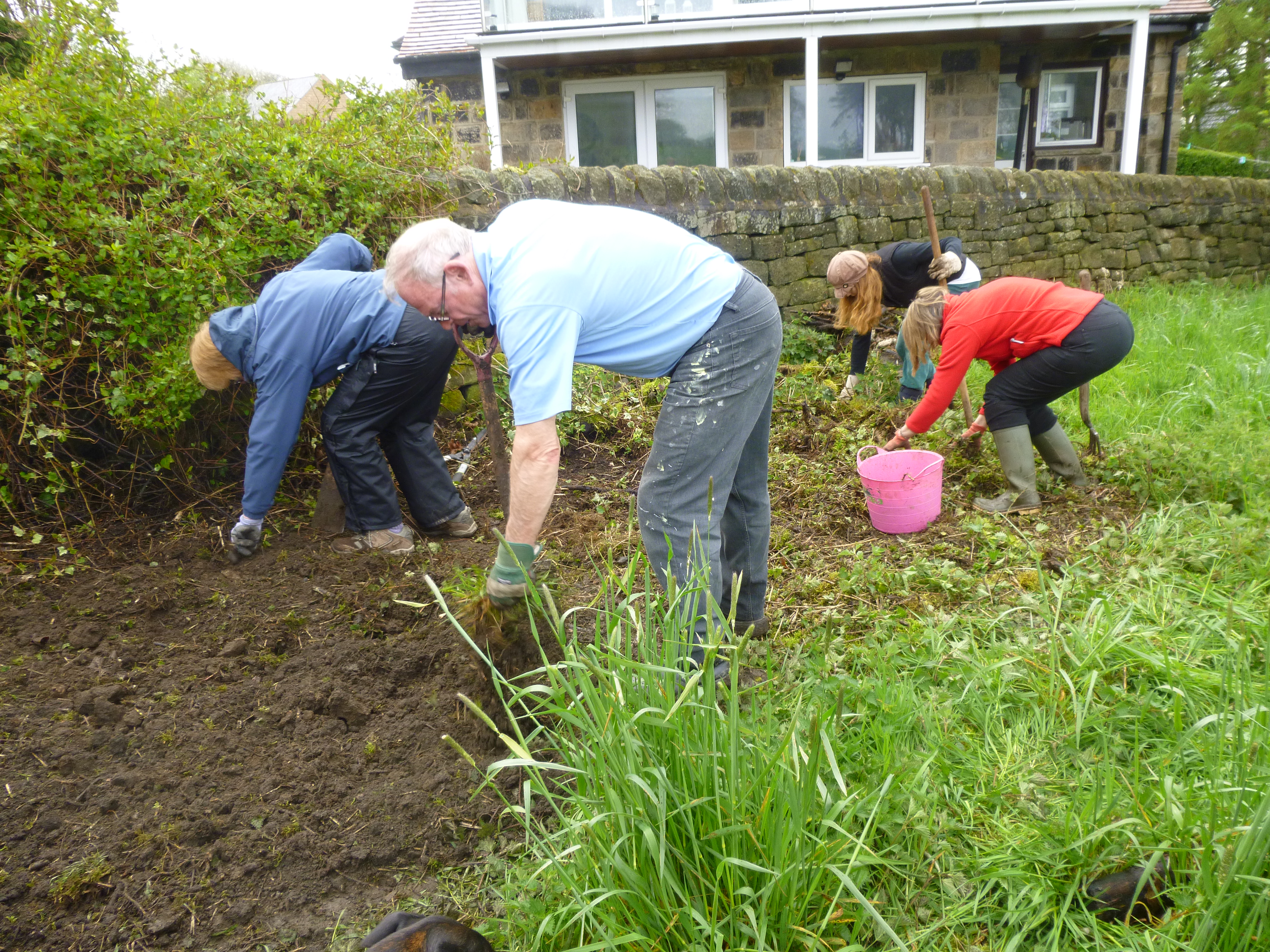
On Saturday 26th April 2014,  seven Friends of Parkinson’s Park came to help dig over and prepare the Wildflower area for planting and poppy-seed sowing – as part of this year’s World War One Centenary.

The area is due to be planted by school children from Oxford Road Pre School Playgroup in the morning and Oxford Road Infants, in the afternoon of Wednesday 30th April.  The  wildflower seeds have been donated by an organisation called “Grow Wild”,  and the poppy seeds donated by The Royal British Legion via Guiseley in Bloom.

It was definitely a case of many hands make light digging,  and thanks are extended to Chris Parapia, Barbara Winfield, Richard and Gail Lamb, Sue Jackson, Josie Brooks,  and Anne a new member from the Bellway Estate, whom we were very pleased to welcome; along with Daniel, aged 8, who came along to help out later in the day.

The 30th April will see a number of local community groups taking part in poppy-seed planting to  mark the start of rememberance of those who between 1914 – 1918 gave up so much to make a stand against tyranny in Europe.   Aireborough,  will be putting on a number of events over the coming months, and a WW I committee has been formed to co-ordinate activity – more of this in a later post.

Lighting Up A Future Tradition

Guiseley Brass Band Play Carols

Guiseley Brass Band Play Carols

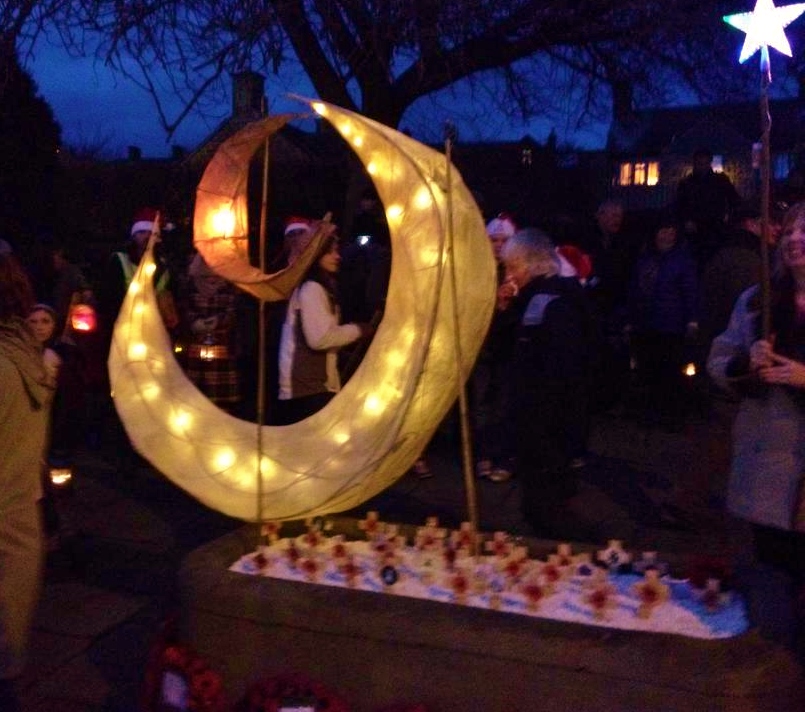
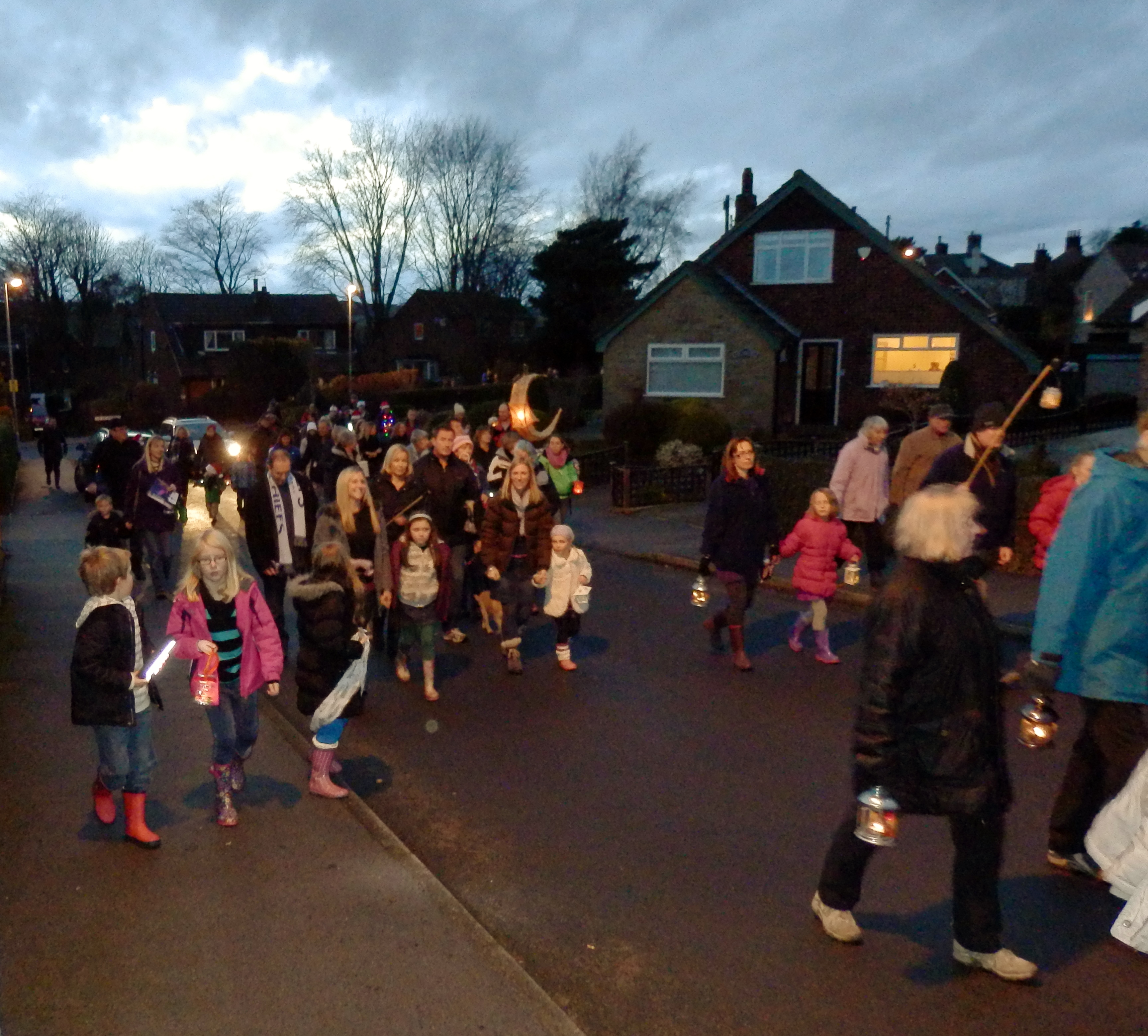
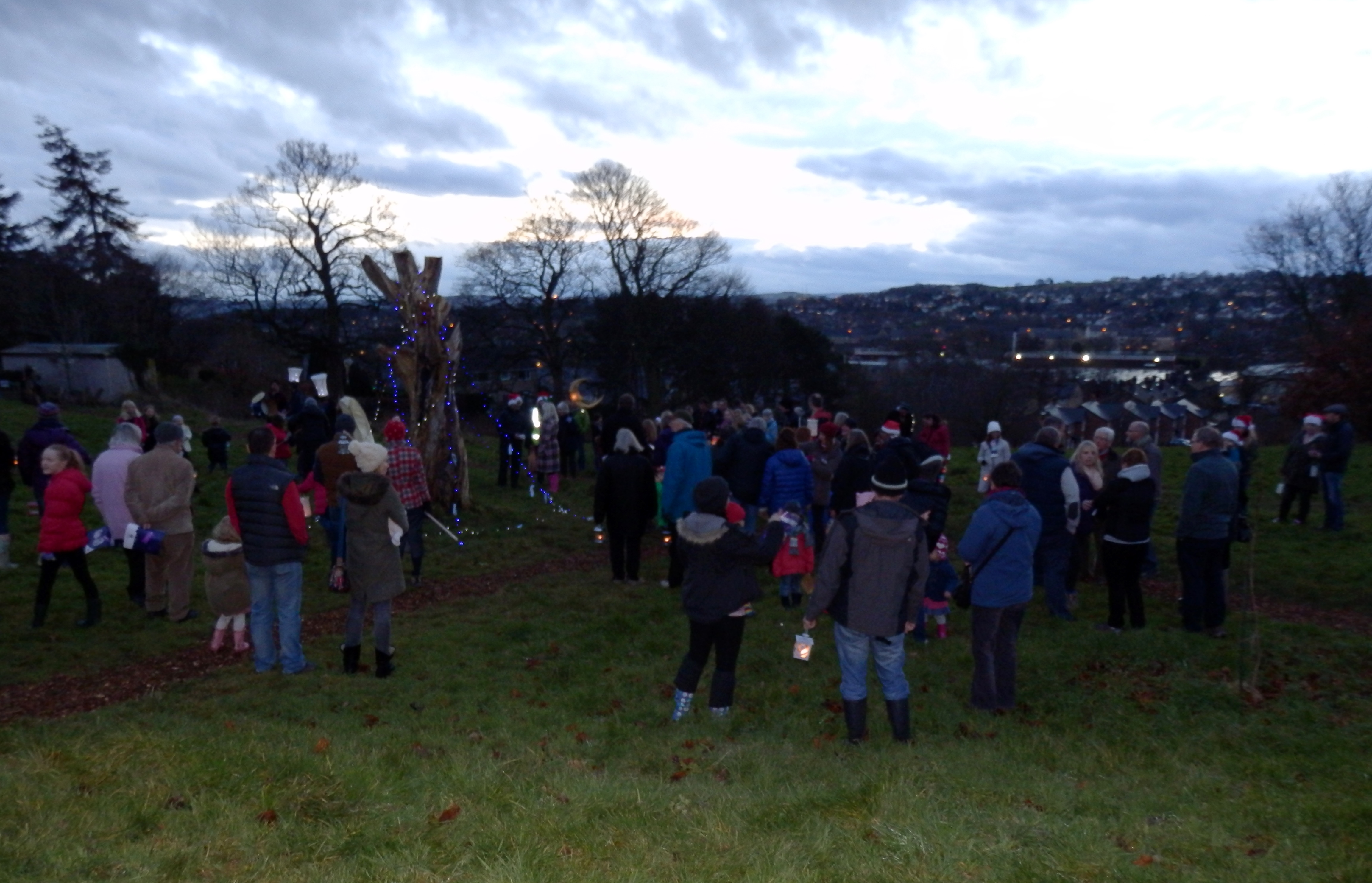
Thank you to everyone who came to the Friends of Parkinson’s Park Lantern Parade; there was a fantastic turnout from all over the area, with residents old and new, all our local Councillors and Member of Parliament.  Some people passing by the in their cars, even stopped to join in.

It seems the children really enjoyed coming to the Park in the gathering dusk with lanterns: and watching people approach the decorated tree in the park from all directions was like watching a ‘gathering of the tribes’.   It was lovely to see so many different types of lanterns and the thought that had gone into them.

At the Cross,  Guiseley Brass Band really created a wonderful atmosphere in which to munch home made mince pies , and drink mulled wine, and try and read the words of the carols – those who couldn’t just hummed the tune.

We would also like to thank ‘God’ for being kind with the weather – we had asked especially if he could hold the rain off for an hour or so – and he obliged  :-).

In the role call of people who made the event happen, thanks particularly go to:
Lanterns

Lanterns

The idea – Nicola Denson

Invitations – Nicola Denson, Josie Brooks, Barbara Winfield, Jenny Kirkby

Paths Chipping – Josie Brooks, Steve Megson, Chris Parapia , Jenny Kirkby

Chippings – donated by Mike Shackleton (Tree Care Company)

Lights  – Barbara Winfield, Andy Cheetham

Moon Lantern and Drums – Cecil Higgings Arts, Bradford

Music – Guiseley Brass Band

People on Parade

People on Parade

Mince Pies and Buns – Sian Cartwright

Mulled Wine – Richard Slatcher (The Station)  & Rebecca

Photographs – Leekie Parapia, Peter Kirkby

Taking Part – Guiseley residents

Marshalls – Josie Brooks, Nicola & Jon Denson, Andy Cheetham, Barbara Winfield

Overall organization – Chris Parapia and Jenny Kirkby

Funding – Comic Relief Community Cash, Local Cllrs
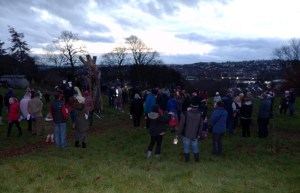
Gathering In the Park at Dusk

Gathering In the Park at Dusk

The purpose of the event is to set a new Guiseley tradition, in line with our 2013 All Our Stories project – exploring the history of the Park and its role with local people. Now we have experimented with the idea and know it works and people like it,  we will aim for the same event next year with lantern making workshops, and more drums on the route.   We have made a note of a number of ideas for improvement, but please let us know of any ideas you have, or if you would like to take a role in the organization of it.  We’ll be posting more photos of the event over Christmas.  Oh, and last but not least thank you,  to all those who gave us a donation – this will go to the upkeep of the Park and future events.

A Merry Christmas to everyone from The Friends of Parkinson’s Park.