Bird Watch – A Dancing Heron And Other Winter Wonders by Darren Shepherd

Mandarin Duck on Yeadon Tarn

Mandarin Duck on Yeadon Tarn

Hello.  I am finally stirring from my winter slumber, and the over indulgences of Christmas!  The shortest day has been and gone,  and we can look forward to warmer weather next week.

The highlight of the birds seen in the park this winter is the Waxwing (bombycilla garullus).  A winter visitor from Northern Europe: a beautiful bird indeed: listen out for them flying over with a soft jingling call.

There are also a lot of Goldfinches around,  and some superb Bullfinches.  The male is a stunner in his striking red and black plumage.

I continue to see the Red Kite; even flying around in heavy snow; probably Continue reading
Bird Watch – See What You Missed!! by Darren Shepherd

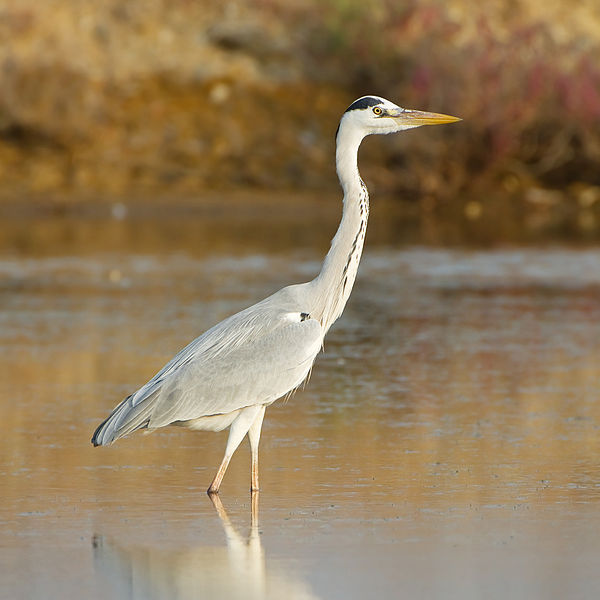
Grey Heron. (Source: J J Harrison)

Well, the Jubilee picnic is over and its time for the latest installment of bird watch. The bird watch event at the picnic, didn’t last very long I’m afraid, as other activities took centre stage; we’ll improve the signage next time.  Let me know below,  if you are interested in coming along for an hour or so and I’ll organize another.

During the short space of time that the Jubilee picnic bird watch was running, we managed to see some exciting birds. It started with a ‘sparrowhawk’ overhead at 2.20pm spotted by a Mr B Shepherd (my Father).  A common buzzard could be seen soaring over the “High Royds” area around the same time. Continue reading

Bird Watch – Calling Curlews, by Darren Shepherd

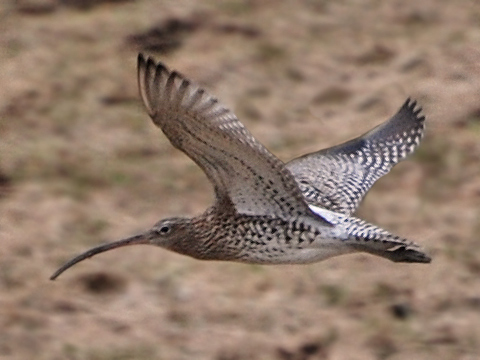
Curlew Flying - (Source: Scotlandincolour.com)

Night and day, the wildlife and birds of the Park live their lives and have their ‘adventures’, and it is worthwhile taking time to slowdown to their pace and just observe.

Today, 9th January, a red kite, with no wing tags, circled overhead.  Many kites have wing tags of different colours,  the left wing gives the place they fledged, and the right the year.   As ours has no tags,  they have either fallen off, or, it is wild.  The kite seems to be in the park regularly now, although, as today, it is frequently harassed by one of the local crows – these Continue reading

Bird Watching in the Park

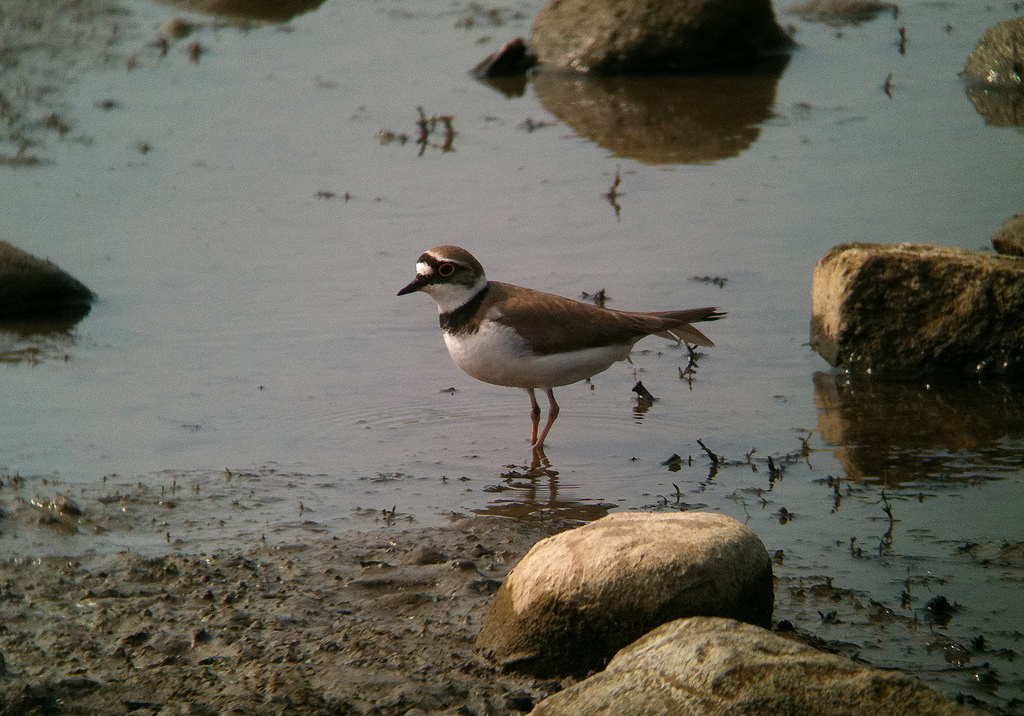
Little Ringed Plover - (Source, Steve Leo Evans, Flickr)

Darren Shepherd of Nethercliffe Road, is a keen ornithologist, and has left this fascinating comment on the ecology page, which deserves greater prominence.

“I would like to add a few more birds to the list of those seen in the Park. The rarest of the bunch, in the past few years, has been the successful breeding of Little Ringed Plover on the building site.”  This is a wading bird, that likes gravel pits and river shingle beds.  “Another wading bird that I suspect has bred in the area is the Oystercatcher” a bird that is regularly found on the coast but has started to move inland.  “Another regular bird is the Redshank“, which likes damp habitats such as salt marshes and flood meadows.  The sightings of these birds would link in perfectly with the fact that the lower slope of Clapper Brow and Great Brow have many natural springs, and the land is quite boggy – the Kel of Kelcliffe, means spring.  When Crompton Parkinsons were in residence they controlled this water flow as best they could, but over the years nature has reasserted itself. Continue reading

Welcome Mr Toad (and hopefully Mrs Tiggywinkle)!

Mr Toad Moves Home !!

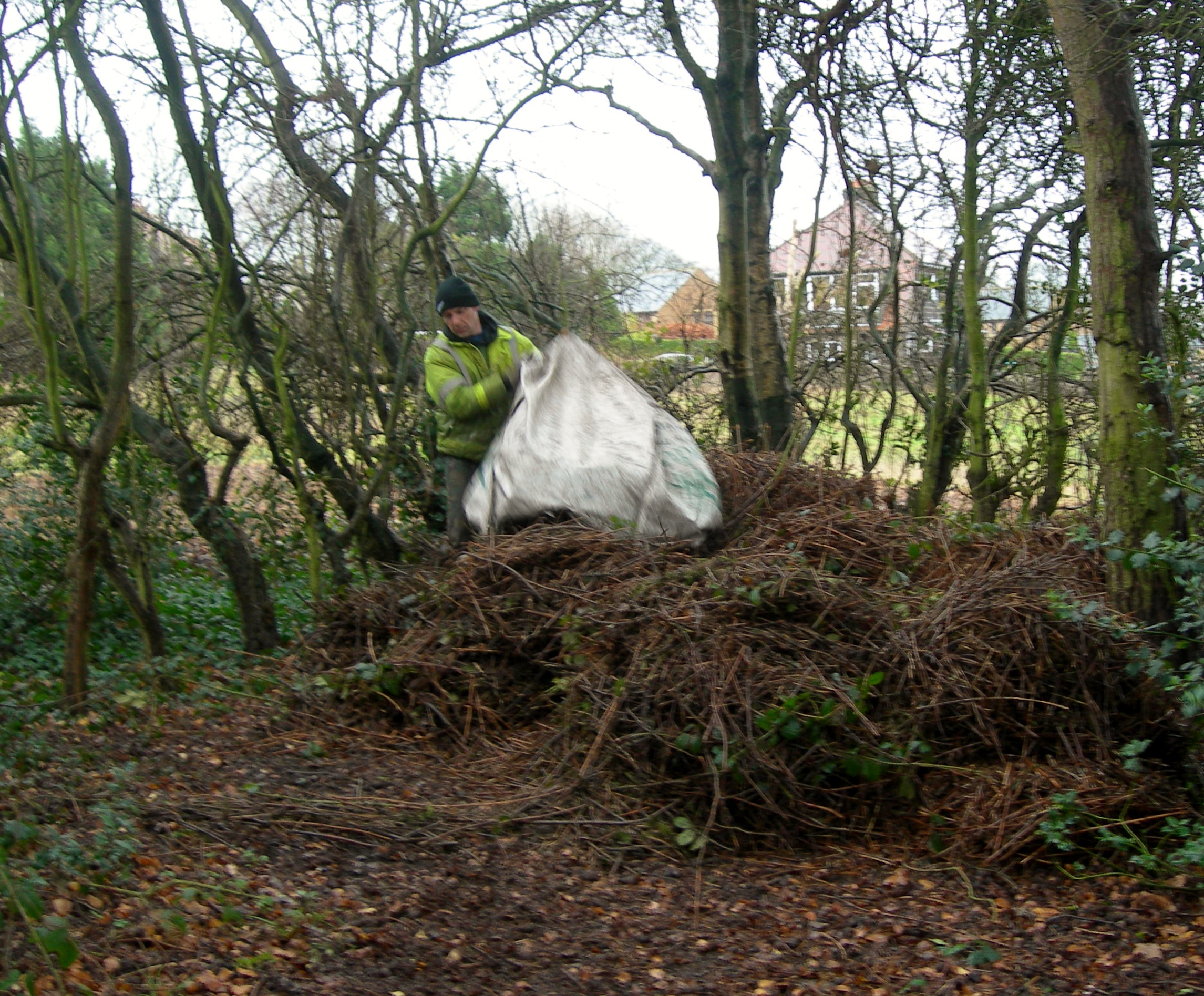
Although the park is getting a much needed overhaul some local residents may not be quite so pleased with the changes.  I am referring to the users of the park who often go unnoticed, but are, nevertheless, a vital part of the area.  Although not always evident, the fields are used by a wide range of animals, many of which are now looking for their winter resting places.  We have made sure we take this into account,  by factoring it into our management plan and ensuring that when we take something away, we put something back in return; so hopefully no animals will be adversely affected. Continue reading

Wharfedale Naturalists survey Parkinsons Park

Cyclamen Hederifolium.

On Friday 28th October four members of the Wharfedale Naturalists Society carried out a survey of Parkinson’s Park to identify the flora and fauna in the area. They were extremely thorough and have produced a list of everything of interest in the park at this time of year.Amongst the plants of interest are Bitter Vetch and Cyclamen Hederifolium.

Whilst present, a Red Kite flew overhead .